
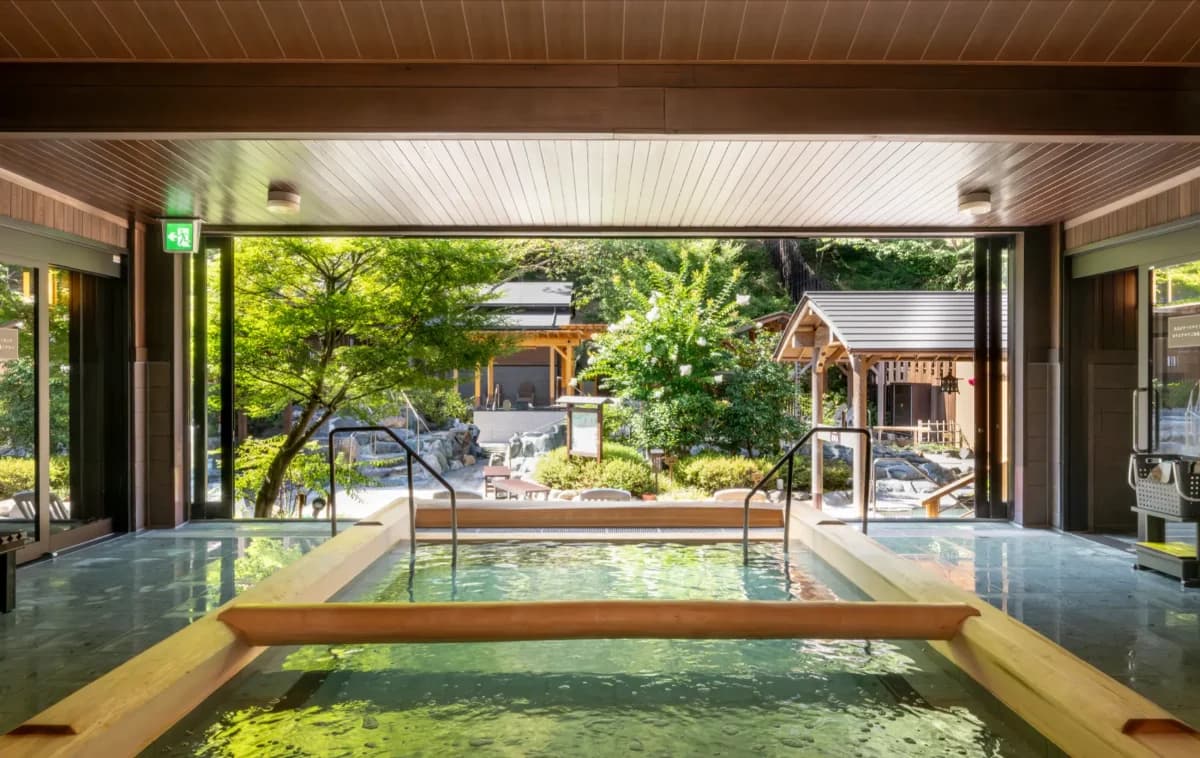
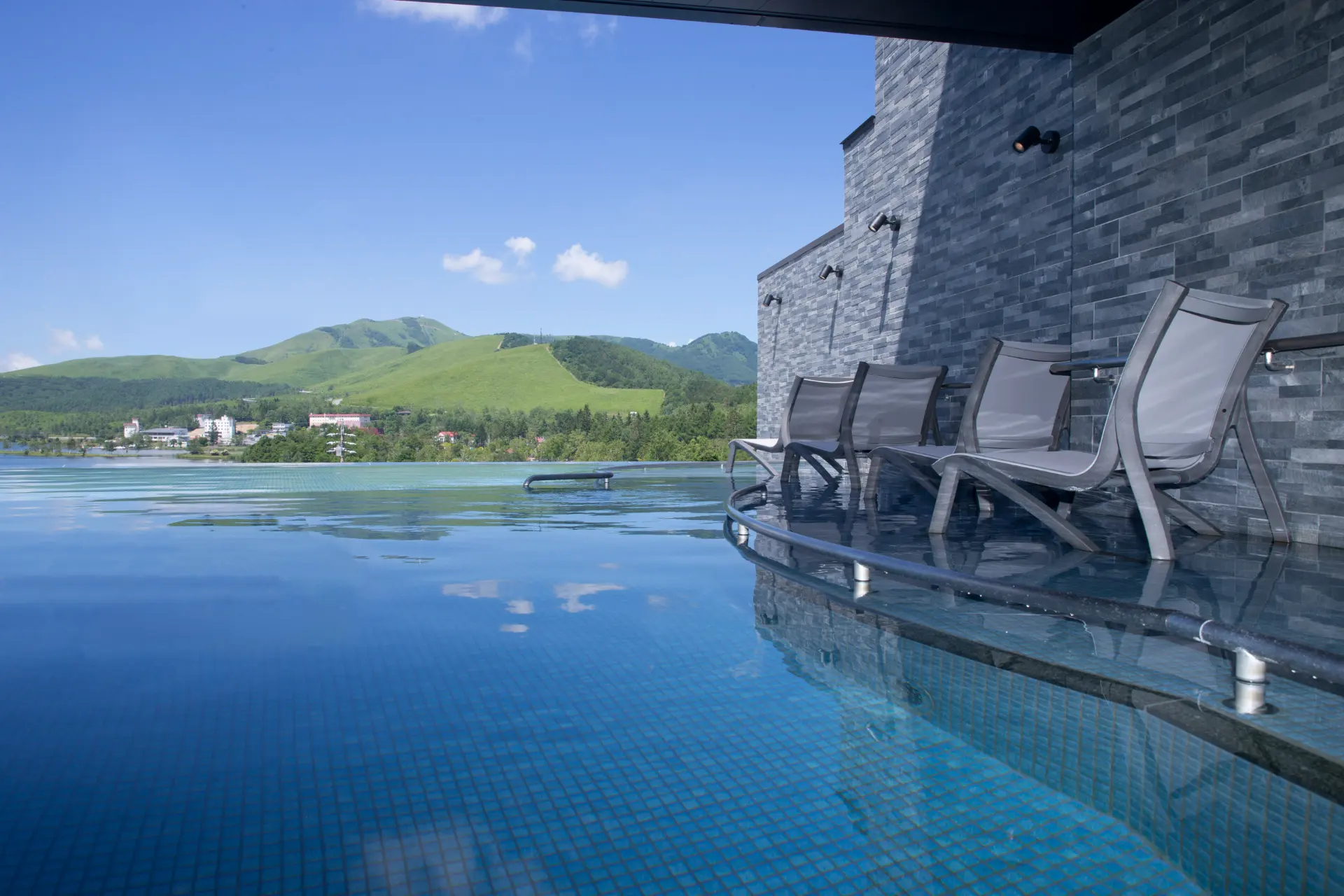
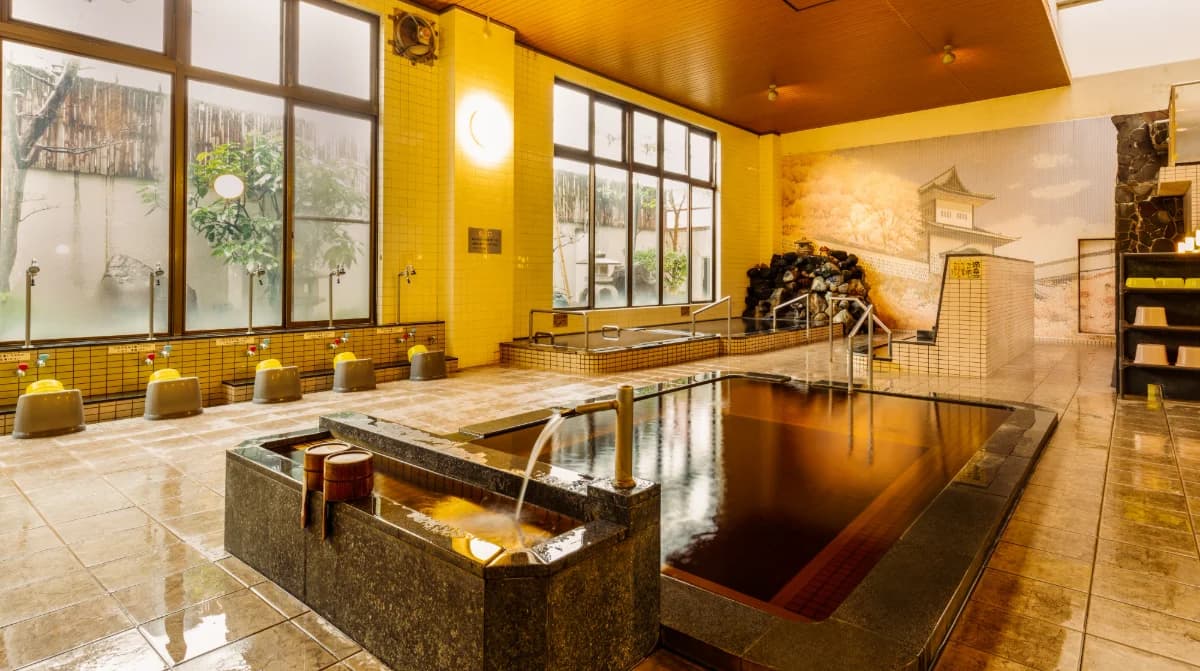
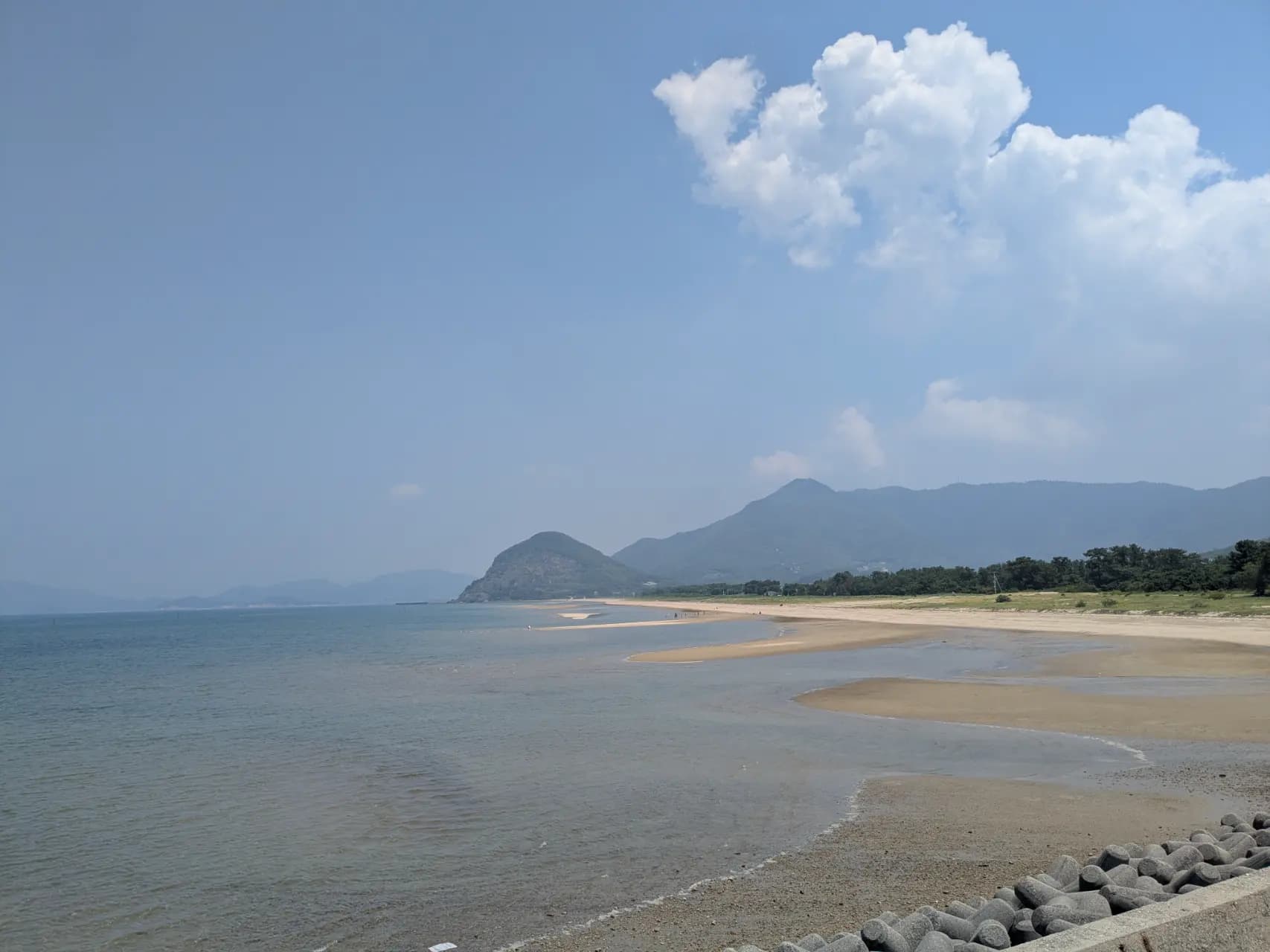
A truly exceptional facility is one that fills you with a bittersweet longing — a feeling of "I don't want to leave" and "I want to stay here forever" — and leaves you certain that you will return someday. There are many detailed criteria to judge a place by: the quality of the hot spring, the sauna, the cold plunge bath. But at the end of the day, whether a place can stir that emotion in you is what truly matters.
The morning after an extraordinary experience at Higashidogo no Soratomo-ri, I found myself driving toward Kanonji City in Kagawa Prefecture. This time, I was joined by my father — a fellow sauna enthusiast — as we set out to visit Kotohiki Kairou, widely regarded as one of the finest sauna facilities in Shikoku. It was my first visit, but my father had been before. When I asked him about his impressions on the way there, his lukewarm, evasive response left me feeling slightly uneasy.
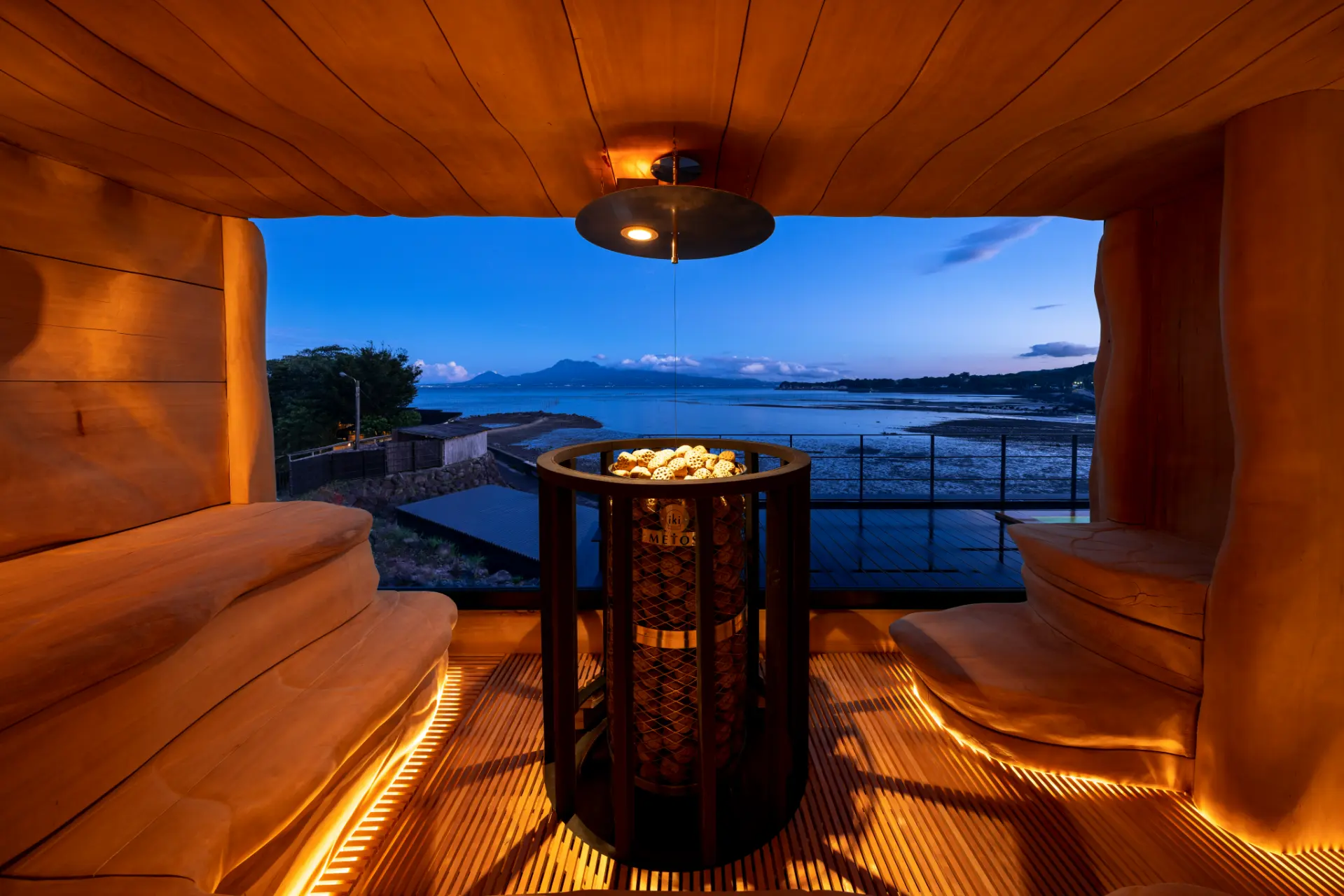
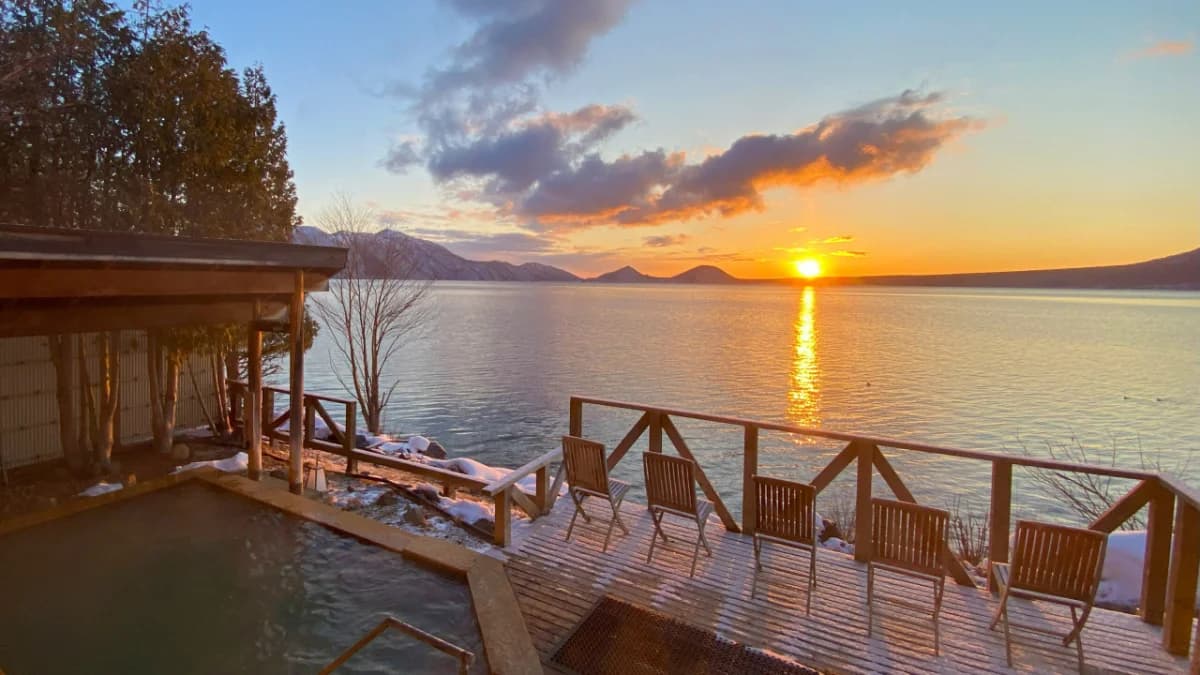
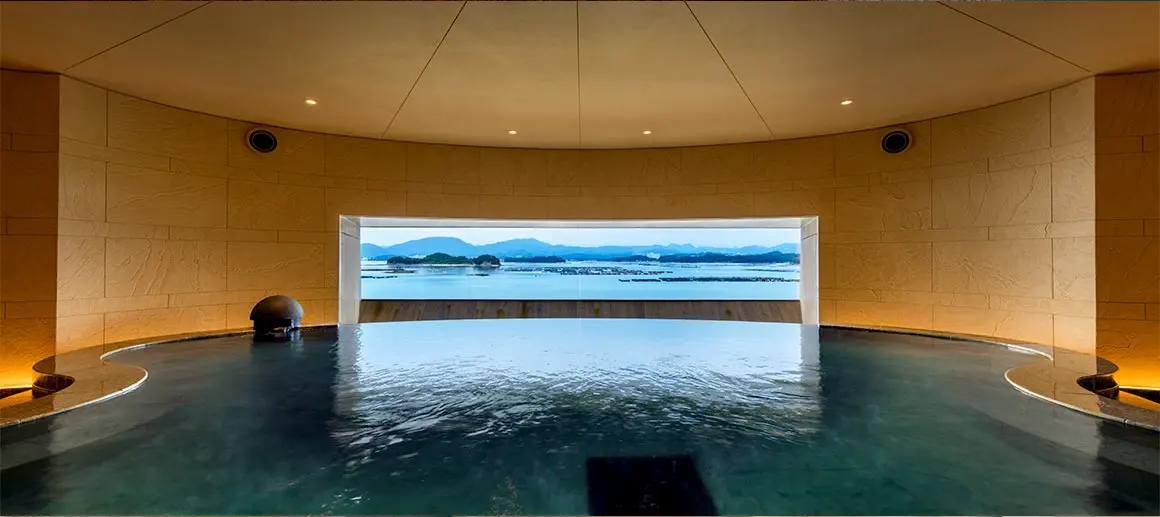
We arrived right at the 11 o'clock opening, and even at that early hour, there was already a fair number of other guests eager to make the most of the freshly opened doors. The exterior and interior both carried a tasteful, traditional aesthetic reminiscent of a hot spring inn. What truly sets this place apart, however, is its location: from the lounge inside the building, you can take in a sweeping view of Ariake Beach — selected as one of Japan's Top 100 Sunset Spots — and the Seto Inland Sea. The various saunas in the bathing area also feature windows overlooking the sea, which is a remarkable advantage. That singular experience is surely part of why this facility enjoys such high acclaim across the country.
Based on review sites, at least.
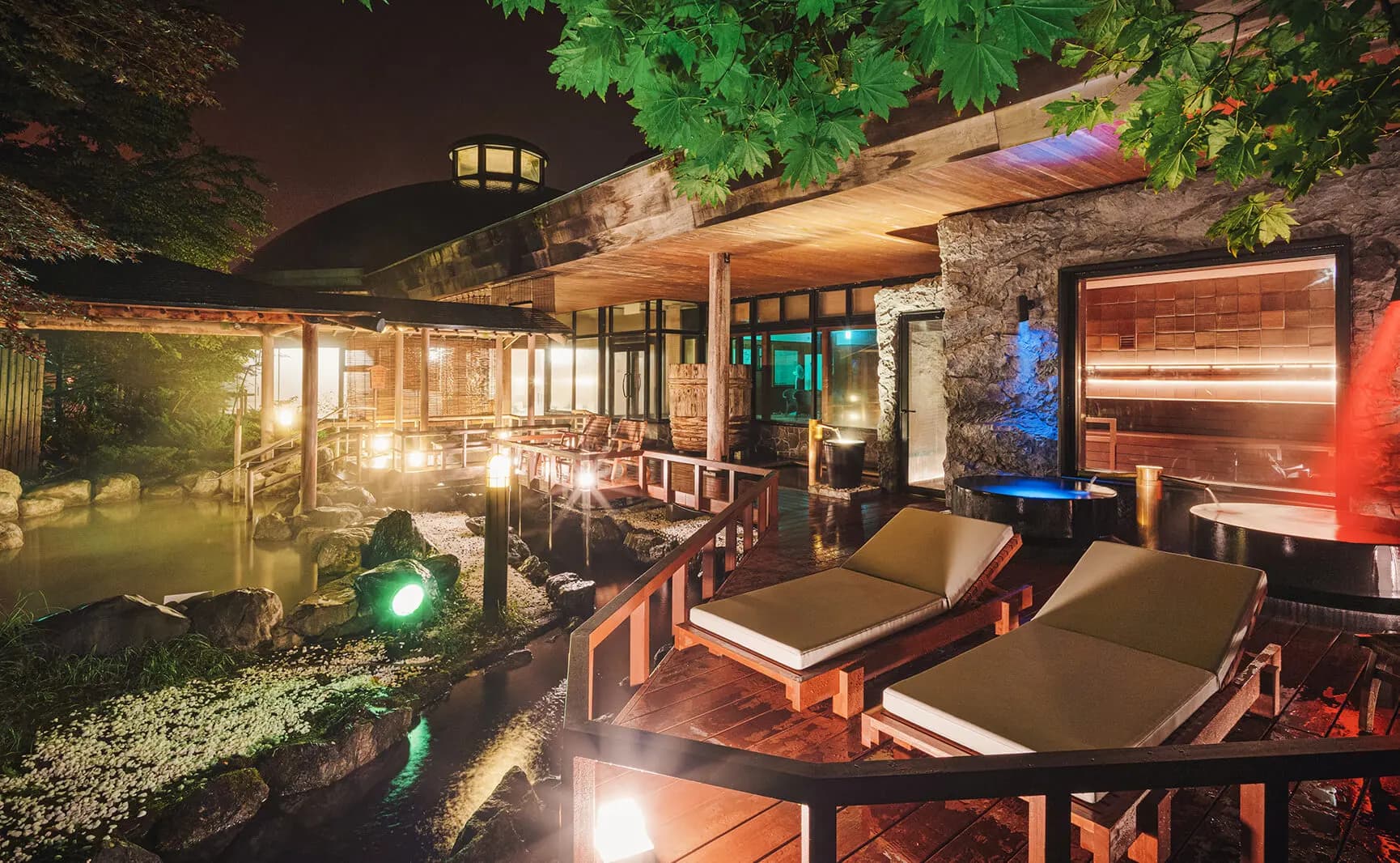
After changing, I stepped into the main bathing area. As is my personal habit, I first do a full walkthrough to get a sense of the layout and facilities. The indoor baths offered views of the Seto Inland Sea, and the outdoor area lined up a variety of saunas. Given that the concept here is a sauna theme park, the lineup was impressive: barrel saunas, tent saunas, Finnish-style saunas — a genuinely diverse selection.
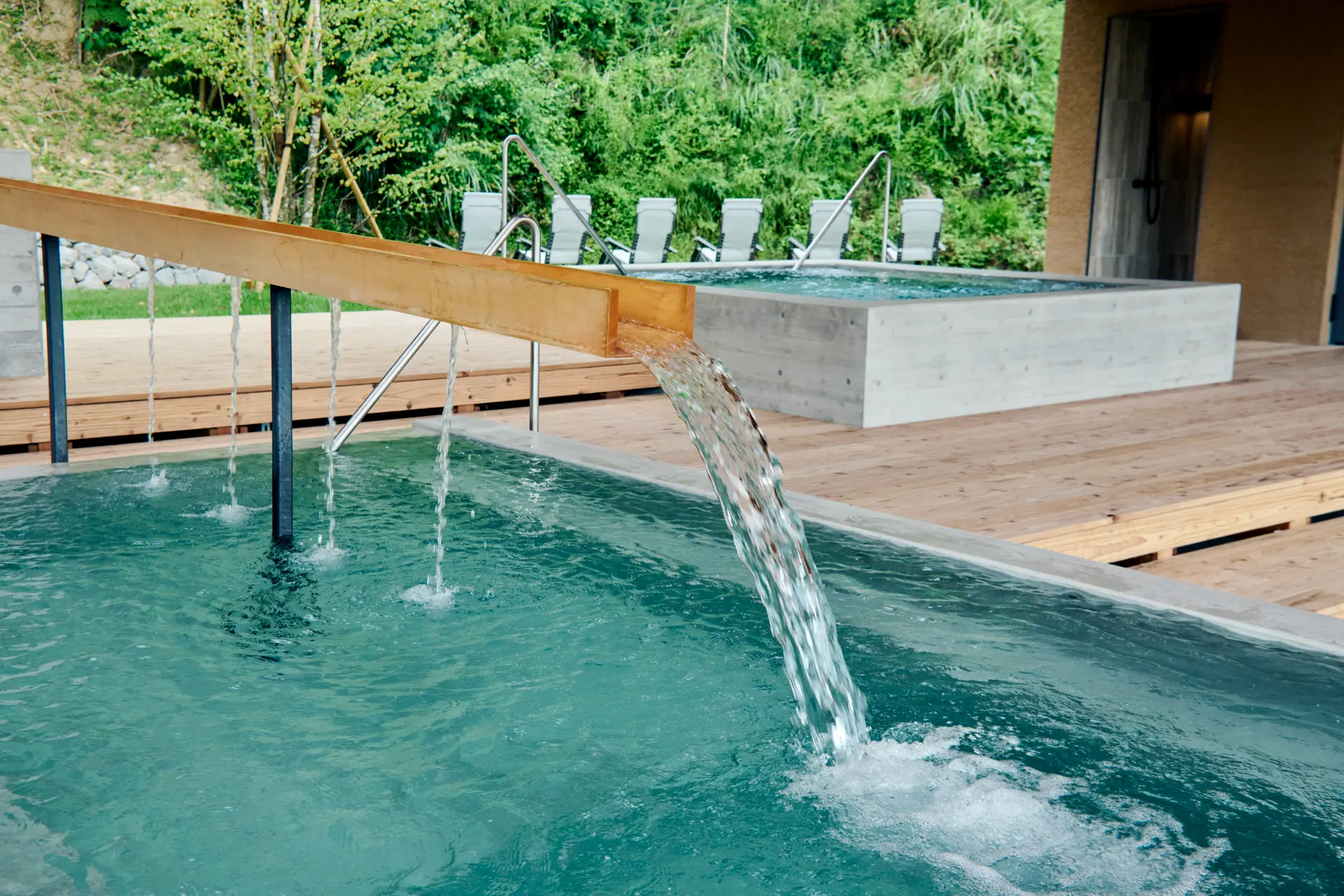
There were also multiple cold plunge baths, so I went around dipping my hand into each one to check the temperature.
In an instant, I was hit with profound disappointment.
Every single cold plunge bath was lukewarm. There was no way you could achieve a proper totonou after the sauna in these conditions. One of the baths was chilled by a cooler unit, but even that was around 20°C — and sitting exposed under the blazing midsummer sun, the temperature would only keep rising. The cleanliness of the bathing area also left much to be desired; my immediate impression was one of poor maintenance. The warm baths and cold plunge baths alike were littered with floating debris, making it impossible to feel like relaxing and sinking in. A well-run facility will have staff regularly moving through the bathing area — checking water quality, scrubbing tiles, inspecting the sauna rooms — but during the entire time I was in the bathing area that day, I did not see a single staff member.
The moment I confirmed that the cold plunge baths were not cold, it was already clear that my sauna experience that day would be a tough one. Still, I shook it off and decided to work my way through the various saunas.
Round 1: Ariake Sauna
Through the window of this white-toned sauna room, you can gaze out at the Seto Inland Sea and Ibuki Island. A Harvia sauna heater is installed, allowing for self-service löyly. The temperature and humidity were both excellent, and experiencing a sauna while taking in the grand seascape of the Seto Inland Sea is the kind of memory that stays with you. I sat for a good while, gazing at the sea as the heat slowly worked its way through my body.
After leaving the sauna, I headed for a cold plunge. The nearest one was the Setouchi Seawater Cold Plunge, which draws in actual seawater from the Seto Inland Sea. But being July in the height of summer, the water was close to 30°C — barely qualifying as a cold plunge at all. I tried to make my way to the one cooled bath, but it was already occupied, so I reluctantly lowered myself into a lukewarm bath instead. Not even a hint of that refreshing snap. I followed it up with a cold shower and sat on a bench to rest for a while. Totonou: zero.
Round 2: Ibuki Sauna
A barrel sauna with a full view of the Seto Inland Sea. It fits about four people comfortably, and self-service löyly is available. In such a compact space, the steam from the löyly builds up quickly and I was drenched in sweat almost immediately. Watching the sea while steaming away in here, there's no doubt it's a heart-melting experience. And yet I couldn't quite feel happy about it — because I knew I wouldn't get that satisfying shock from the cold plunge afterward.
For round two, I was fortunate enough to get into the one cooler-chilled bath, which sat at around 20°C. Better than the others, but still lacking. For all that the cooler is working to chill it, the bath sits fully exposed to the blazing summer sun with no shade, and being a single-person stainless steel tub, the direct sunlight means the water temperature can only rise rather than stay cool. If a facility is serious about saunas, this kind of management detail deserves more thoughtful attention.
Round 3: Tuli Sauna
A sleek, black-toned Finnish sauna suited for meditation. Löyly is available here too, and you can heat your body in a quiet, serene space. I sat and let the heat build — but of course, with nowhere cold to go afterward, totonou was out of the question, and there was even a real risk of heat exhaustion. Sure enough, the one cooler-chilled plunge was occupied again, and I ended up in another lukewarm bath. There was little point in pushing further.
This account has turned into something of a critique, so let me offer some concrete suggestions for how this facility could become truly exceptional. I do hope the sauna manager takes note.
First and foremost: cleanliness must be prioritized. The biggest issue is the visible debris floating in the baths. The circulation system should be strengthened so that impurities are continuously flushed out. When guests can clearly see large pieces of rubbish floating on the surface, it is simply impossible to feel refreshed sinking into the water. The walkways in the bathing area also had litter on the floor — your feet would pick up dirt just from walking, which then gets carried into the baths, creating a vicious cycle of contamination. In summer, the ground temperature rises enough to risk burning the soles of your feet, so laying down heat-resistant, non-heating plastic tiles or similar materials in the walkways would seem like a necessary consideration.
Second: the cold plunge baths urgently need improvement. The cold plunge is the single most important element of the sauna experience. The concept of totonou cannot exist without a genuinely cold plunge bath. Going into a sauna alone just makes you hot and nothing more. It is precisely the cold plunge — plunging your heated body into cold water and then resting — that produces the supreme sense of bliss. In other words, the factor that most determines user satisfaction is not the sauna itself, but the cold plunge bath. Concretely speaking, offering a range of temperatures — say, 20°C, 16°C, and 9°C — with proper chilling via cooler units would dramatically elevate the post-sauna experience. If you could step out of a sauna overlooking the Seto Inland Sea and plunge into a single-digit cold bath for a truly mind-blowing rush of sensation, guests would absolutely want to come back. As things stand, even while sitting in the sauna, anxiety about the cold plunge lingers in the back of your mind — and the experience after you leave the sauna undoes everything. If you're going to call yourself a sauna theme park, you should be a cold plunge theme park too.
Address just these two points, and I believe user satisfaction would improve dramatically.
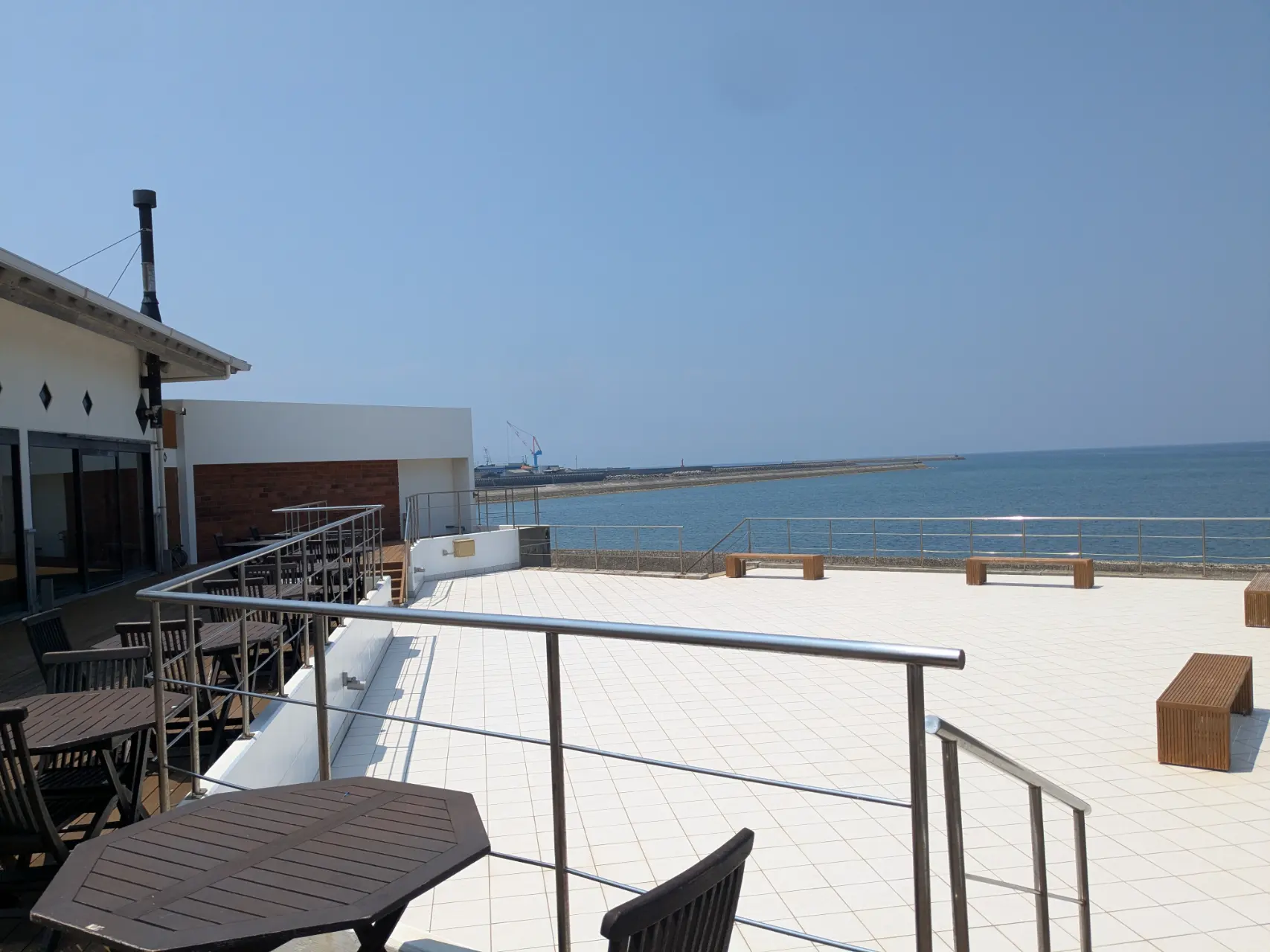
After finishing, I met up with my father outside. One look at his face said it all — a mixture of quiet resignation and weary acceptance. Now I understood exactly what he had meant by that evasive, dampened assessment on the way here. This facility has genuinely extraordinary strengths that few others can match: a breathtaking location and an impressive variety of saunas. That's precisely what makes the shortcomings in the cold plunge baths and cleanliness stand out all the more painfully.
But flip that around, and it means the potential here is limitless. Imagine if, after stepping out of that spectacular sauna, you could plunge into an ice-cold bath. Imagine drifting in the outdoor area with a gentle sea breeze washing over you. Without a doubt, this place could become a top-tier facility not just in Shikoku, but across all of Japan — the kind where you genuinely dread having to leave. I find myself quietly hoping that Kotohiki Kairou will one day evolve into exactly that kind of extraordinary destination.
And with that, this Shikoku sauna journey comes to a close for now. Some experiences are perfect; others, like this one, give you plenty to think about. All of it together is what makes a trip a trip. It's precisely because things don't always go as hoped that the next truly exceptional cold plunge, when you find it, shines all the brighter. With that quietly philosophical realization in hand, I got back in the car and drove off in search of the next unknown sauna.