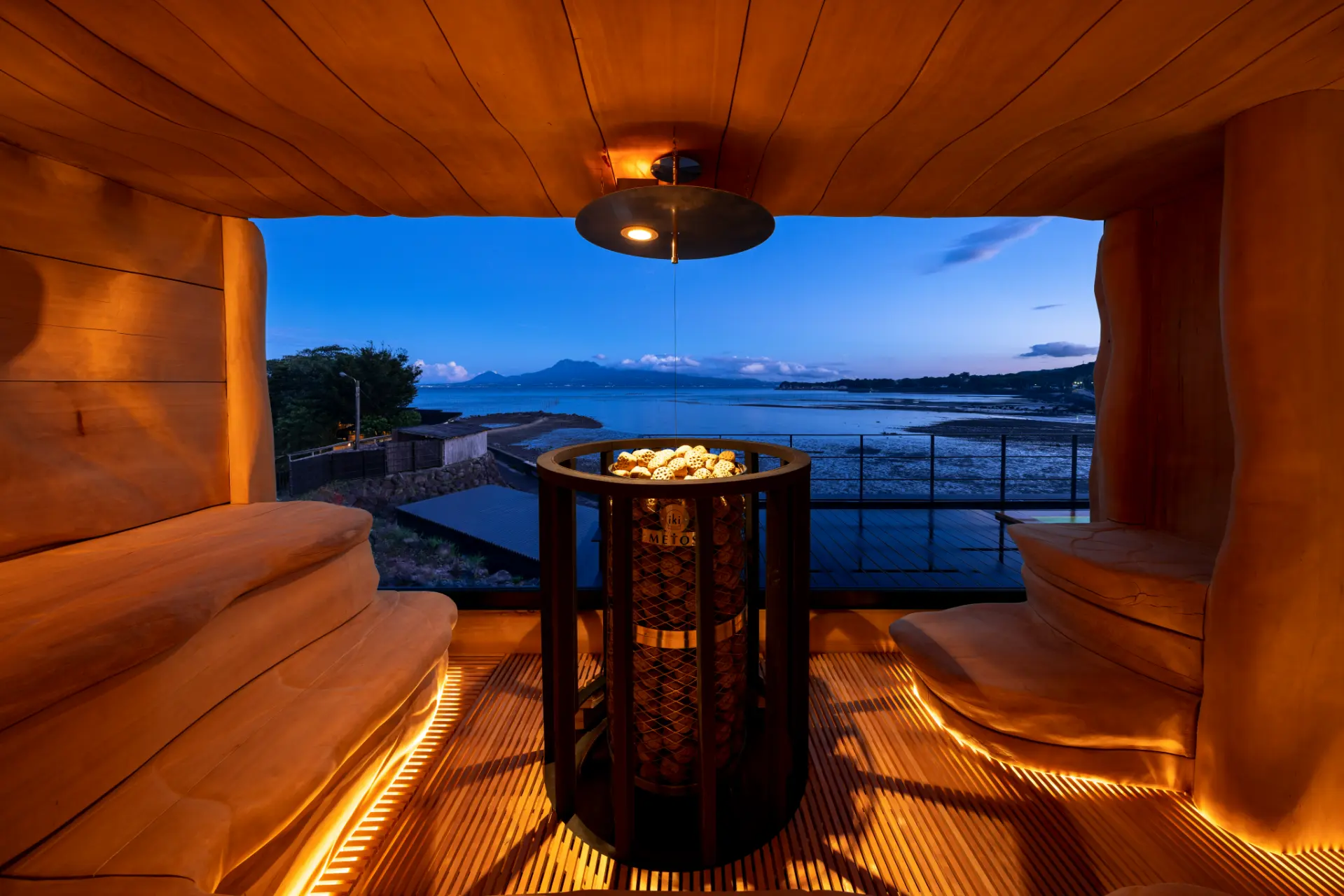
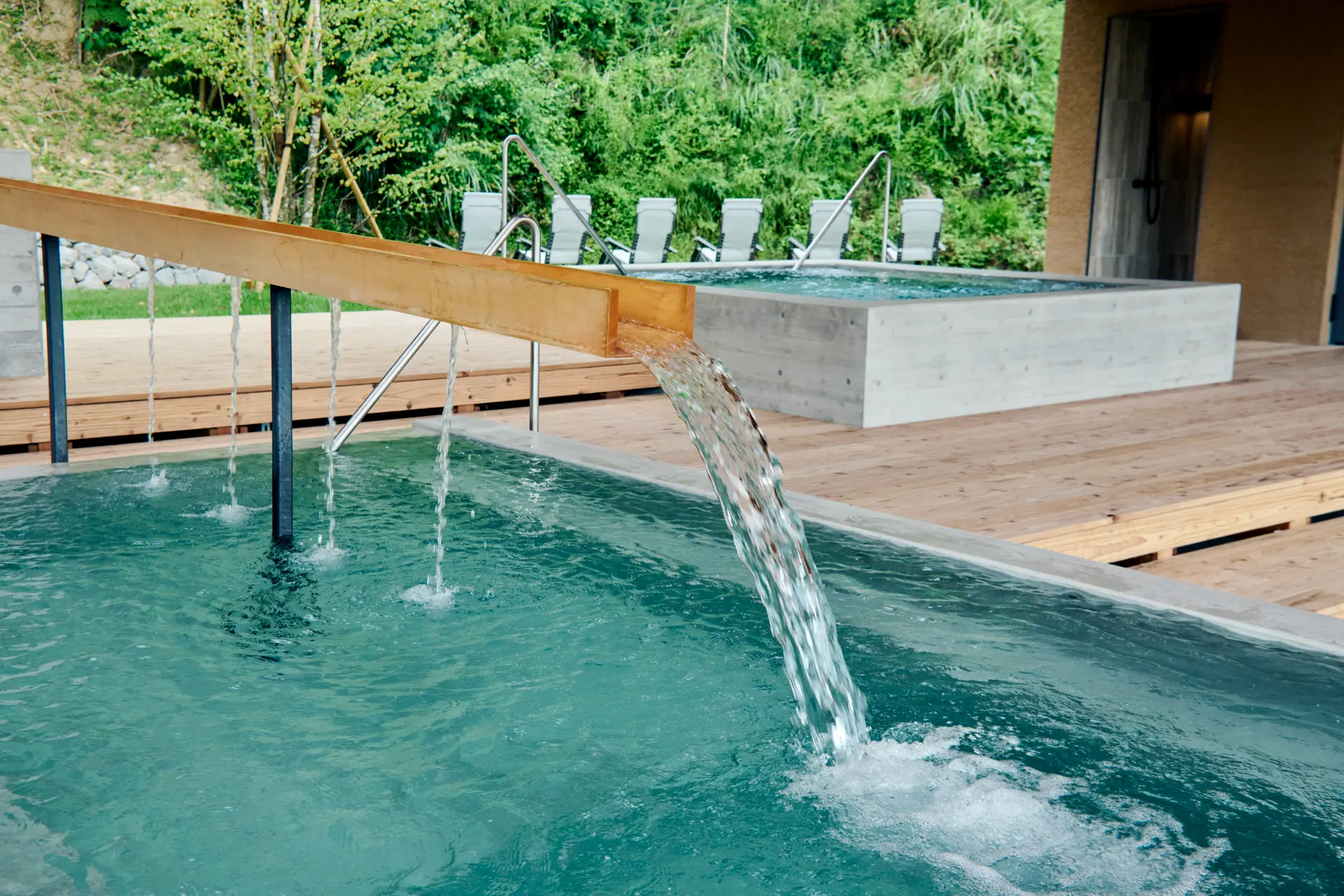
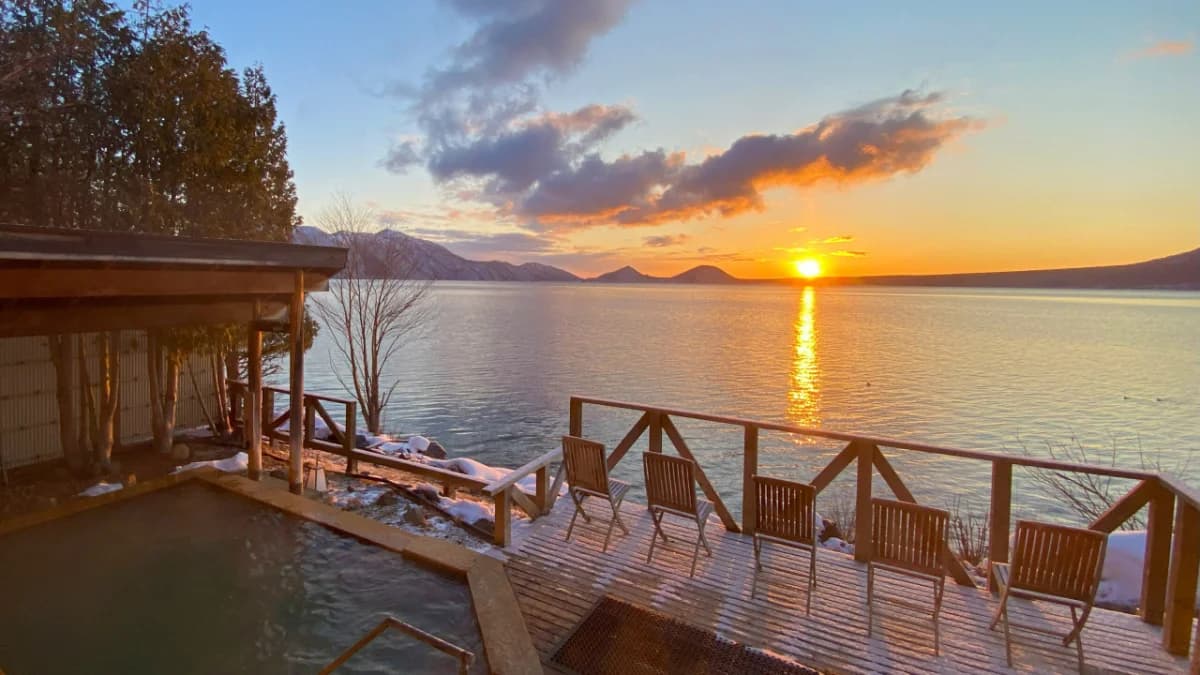
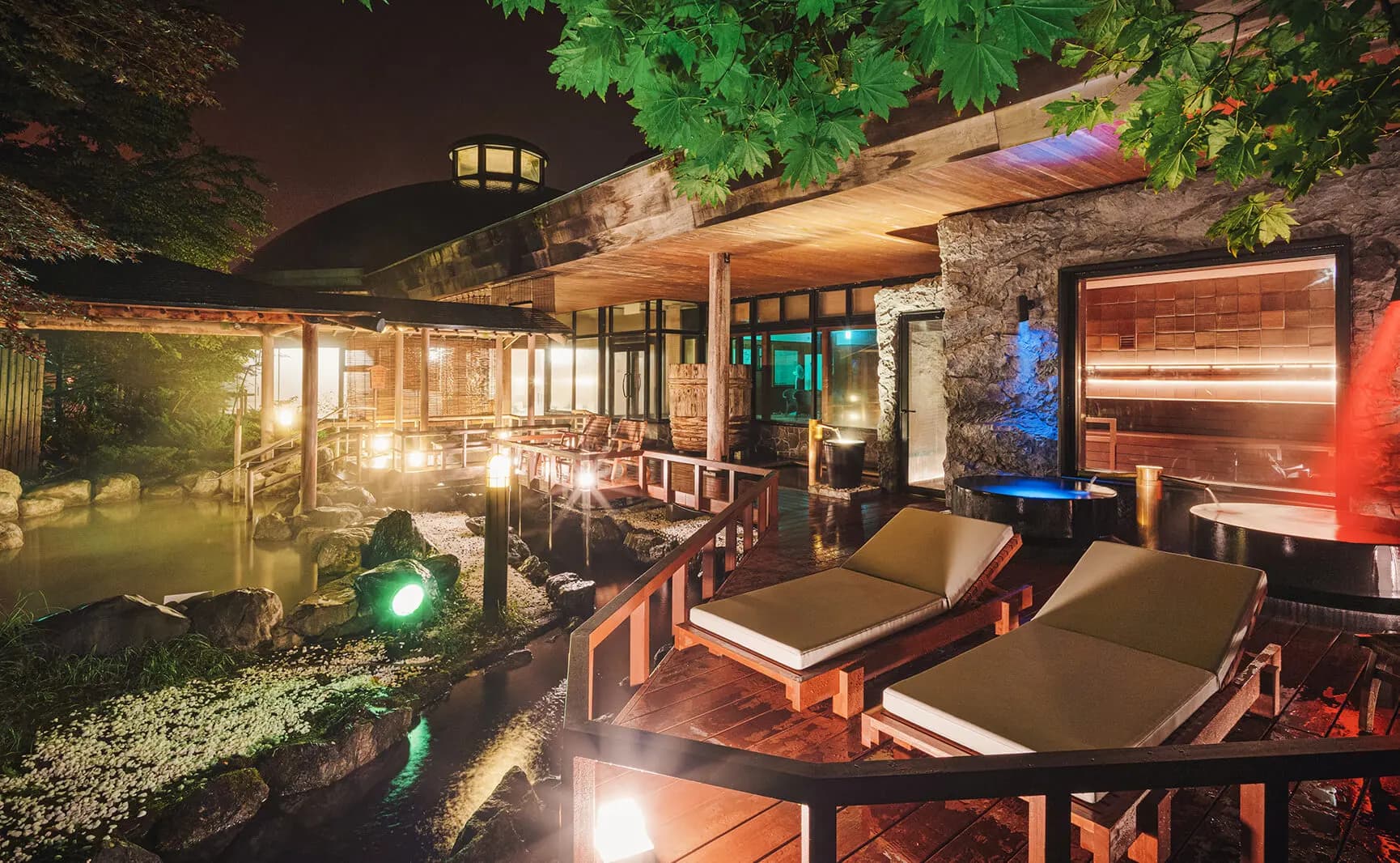
A ryokan is a Japanese-style stay that combines lodging, bathing, and meals in one place. Unlike a hotel, which sells a room as a place to sleep, a ryokan is designed so that the time from arrival to departure becomes part of the experience. Even the tourism agency's ryokan guide explains that ryokan are centered on tatami rooms and that the standard format is a one-night, two-meal stay, with dinner and breakfast included in the room rate.
In short, what first-time guests should understand is that a ryokan is not just a place to stay between sightseeing plans. It is a place where the time spent at the inn itself becomes the purpose of the trip. If you pack your itinerary from morning to night, you may end up skipping the dinner time, reducing the number of baths, and leaving no room to relax in your room, which means you cannot fully enjoy what makes a ryokan special. This article serves as a beginner's hub that looks at the overall picture of what a hot spring ryokan is, organizes how it differs from a hotel, outlines the flow of a day, and explains who it suits, while guiding you to separate articles on booking, bathing, meals, and yukata.
This article provides general information and does not guarantee the rates, systems, or operations of any specific inn. Meal times, extra fees, and in-house rules differ by property. Please check official information before booking.
What Is a Ryokan? How Is It Different from a Hotel?
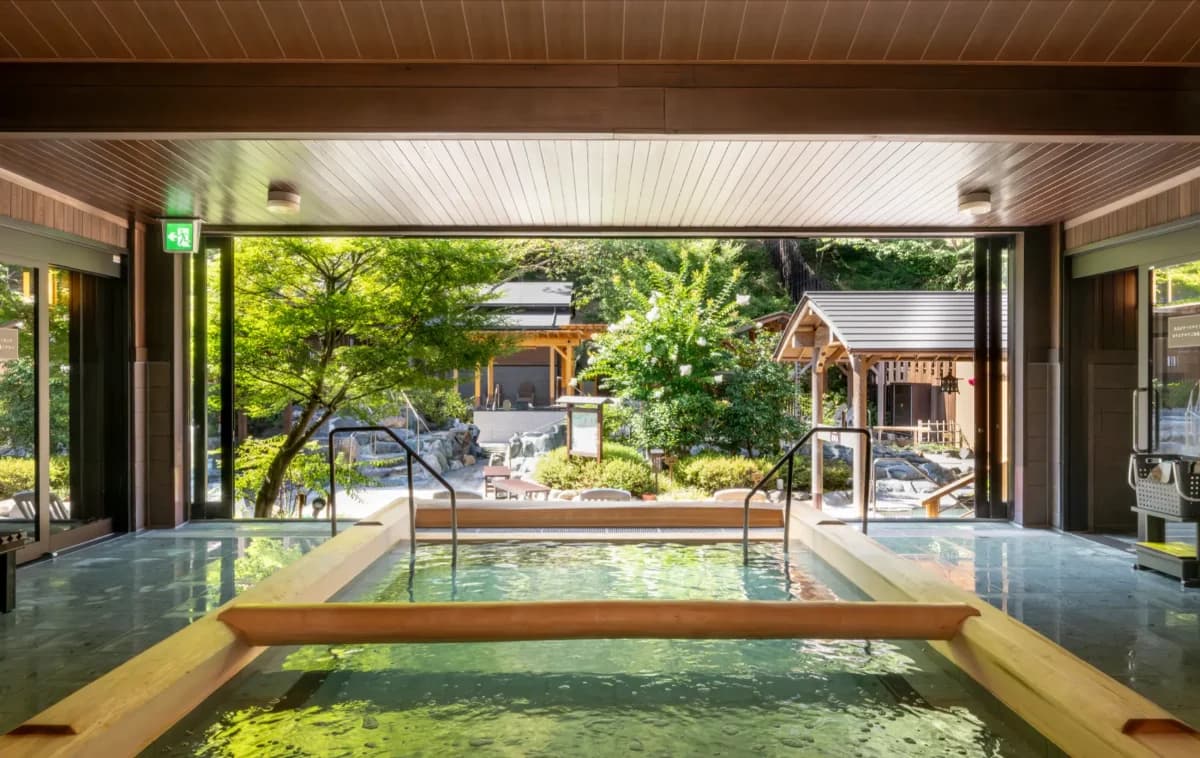
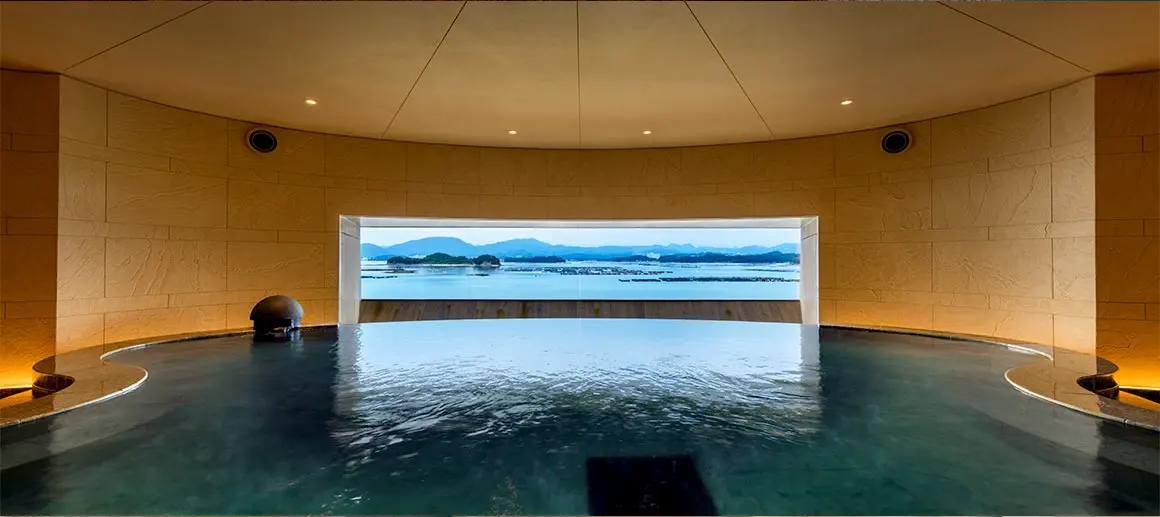
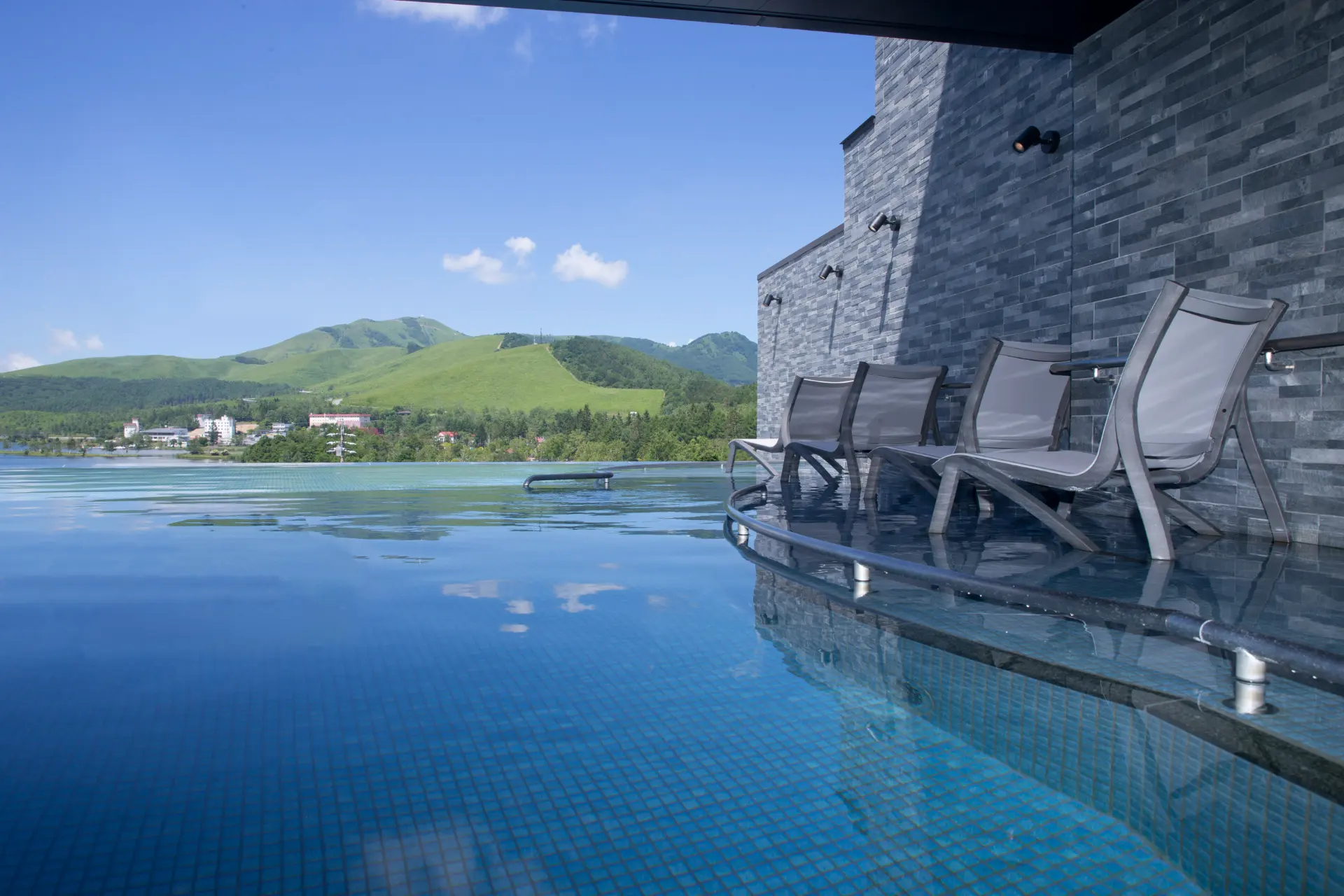
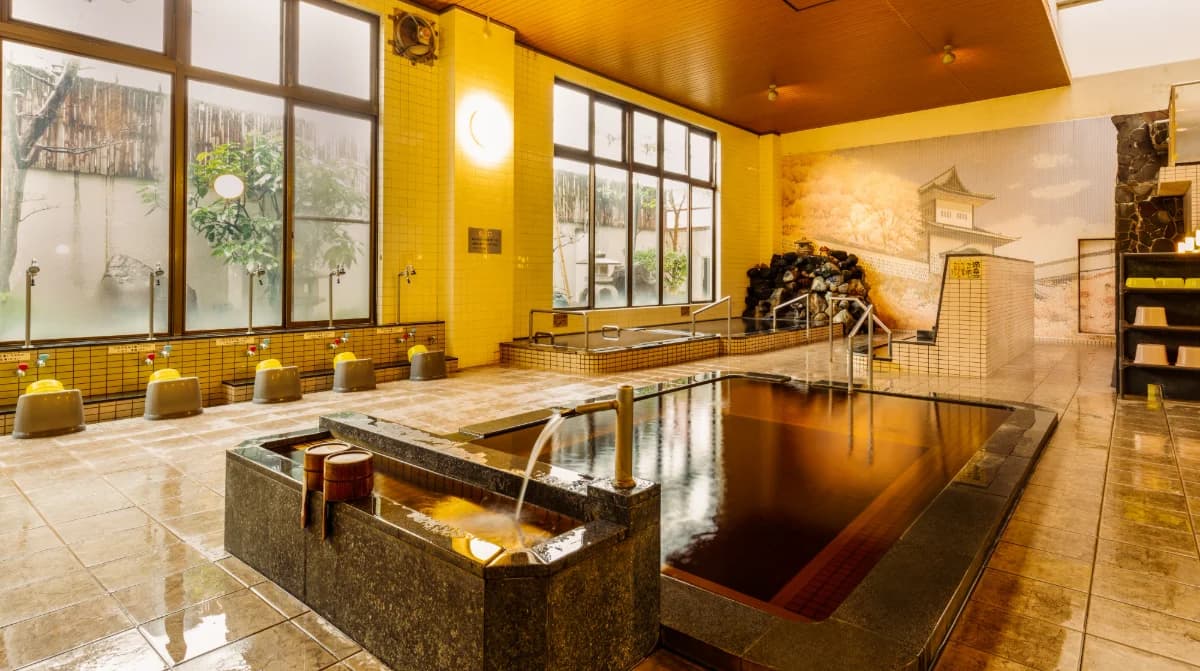
The biggest difference between a ryokan and a hotel is whether lodging, bathing, and meals are sold separately or as one integrated stay. A hotel sells a room by the night, and meals or spa services are optional add-ons. A hot spring ryokan, by contrast, offers lodging in a tatami room, bathing in a large public bath, and dinner and breakfast as one complete stay. That is why the flow of time, such as when to eat and when to bathe, is often arranged to some extent by the inn.
This may make a ryokan seem like a place with less freedom, but in reality it is the opposite. Because meals and baths are already provided, guests do not need to search for restaurants outside or cram in plans, and can complete a whole night within the inn itself. The table below summarizes the differences that first-time visitors often confuse.
| Perspective | Hot Spring Ryokan | Typical Hotel |
|---|
| Basic offer | One-night, two-meal stays are the norm | Room-only stays are basic; meals are optional add-ons |
| Guest room | Tatami rooms or Japanese-Western rooms; futons are often laid out | Western-style rooms with beds are the norm |
| Bathing | Large baths and open-air baths are central to the stay; you can bathe repeatedly | Unit baths in the room; large baths are an extra feature |
| Meals | Kaiseki-style courses, served at set times by the inn | Eat at a restaurant whenever you like, or dine out |
| Way of staying | Spending time in the inn itself is the goal | Stay as a base for sightseeing or work |
| Loungewear | Many inns allow guests to wear yukata around the building | Guests usually stay in their own clothes |
As the table shows, a ryokan is designed with the assumption that guests will stay in the inn and enjoy the bath and meals. Even spending one night without leaving the inn from check-in to checkout is a perfectly natural way to stay at a ryokan. For a broader look at where hot spring ryokan fit among Japanese bathing facilities, see Types of Japanese Bath Facilities.
Looking at the Flow of a Day
A ryokan day generally follows a set rhythm. Knowing the overall flow helps you avoid feeling lost after arrival. The table below summarizes a typical one-night, two-meal stay and links to articles that explain each part in more depth. The times are only rough guides and may vary by inn or season.
What this list shows is that not only dinner is early, but the whole day from check-in to checkout moves on an earlier schedule. That is why a late arrival can make both bathing and dinner feel rushed. If you want to enjoy a ryokan, a plan to arrive before evening is the better choice. Note that this article only gives the big picture. The bathing rhythm itself, meaning when and how many times to bathe after arrival, is covered in How to Plan Your Bathing Rhythm at a Ryokan, while the system behind the early dinner schedule is explained in Why Ryokan Dinner Is Early. Here, we only provide an overview of the flow.
Things to Understand Before Booking
Compared with hotels, ryokan have more points worth checking before booking. Whether the bath is only a large public bath or also includes private baths, whether the water is natural hot spring water, whether dinner is included and what time it is served, whether there are separate fees such as bathing tax, and whether access or shuttle service is available. These details are often invisible from room photos alone and are not easy to change later. In other words, checking these points in advance can greatly reduce the chance of feeling that the stay was different from what you imagined.
That said, listing every item in detail is not the role of this article. We have a Ryokan Booking Checklist Before You Reserve that summarizes 10 points to check, from bath type to bathing tax, so please use that as your guide when actually booking. What you should remember here is only this: because a ryokan turns the stay itself into part of the experience, checking the booking conditions is directly tied to satisfaction.
What Makes a Ryokan Feel Like a Ryokan: Yukata, Large Baths, and Meals
The elements that shape a ryokan stay are yukata, large baths, and meals. These may feel unfamiliar to first-time guests, but understanding why they are provided makes the stay easier to enjoy.
A yukata is a light indoor garment that feels comfortable after bathing and connects the bath, rest, and meals. It is easy to put on and take off, and changing into it also helps shift your mindset from everyday life to ryokan time. Wearing one is not mandatory, but Why Wear a Yukata at a Ryokan? explains why it is provided and how to wear it respectfully.
The large bath is the center of bathing at a ryokan. Unlike day-use hot spring facilities, one of the great pleasures of a ryokan is that you can return to the same water at different times throughout your stay. The more you spread your visits out, such as before dinner, after dinner, and the next morning, the more enjoyable it becomes. Bath etiquette is the same as at any hot spring, so long baths right after eating or bathing after drinking should be avoided. The basics of bathing are covered in Basic Hot Spring Bathing Etiquette, and how to plan when and how many times to bathe during an overnight stay is explained in How to Plan Your Bathing Rhythm at a Ryokan.
Meals, both dinner and breakfast, strongly affect how satisfying a ryokan stay feels. Dinner is usually a kaiseki-style course using local ingredients, served one dish at a time at the inn's set schedule. It is better enjoyed slowly as part of the inn's rhythm rather than rushed through in a short time. Breakfast also often reflects the personality of each inn, usually centered on a Japanese-style breakfast. The reason many inns set dinner to start early is explained in detail in Why Ryokan Dinner Is Early.
Who It Suits, and Who It May Not Suit
A hot spring ryokan is a good fit for people who want to prioritize the stay itself over movement, people who want to enjoy meals as part of the inn experience, and people who want to bathe in the hot spring multiple times. It works especially well for itineraries where you spend the time from check-in to checkout inside the inn, making the most of the bath, meals, and quiet room time.
On the other hand, it is less suitable for trips packed with sightseeing from morning to night, or for itineraries that involve checking in late at night and leaving early in the morning. If you arrive too late, you may miss dinner time, bathe only once, and fail to make full use of the one-night, two-meal format. The key to enjoying a ryokan is to cut one sightseeing plan if needed so that you can arrive earlier. A stay that is not overpacked is where a ryokan shines most.
Common Misconceptions About Ryokan
There are a few assumptions that first-time visitors often stumble over. The most common is the idea that ryokan are luxury inns. In reality, their price ranges are broad, and many are relatively affordable. You will usually be happier choosing based on whether the stay fits your style rather than on how luxurious it seems.
Another misconception is that a ryokan is not a ryokan unless it has an attendant service or in-room meals. In recent years, more inns have adopted dining-room-style meals and simpler operations, but as long as lodging, bathing, and meals are integrated, the stay can still feel very much like a hot spring ryokan. Because a quiet small inn and a large sightseeing ryokan with extensive facilities can be quite different, it helps to read beyond the photos and think about how you want to use the property so you can avoid a mismatch.
Frequently Asked Questions
What is the difference between a ryokan and a hotel?
The biggest difference is whether lodging, bathing, and meals are integrated. Hotels sell rooms, and meals are optional add-ons, while hot spring ryokan bundle lodging in a tatami room, bathing in a large public bath, and dinner and breakfast as a one-night, two-meal stay. As a result, meal and bath times are arranged to some extent by the inn, and spending time inside the inn itself becomes the goal.
What should I be careful about first when staying at a hot spring ryokan for the first time?
Arrive early. Ryokan often have fixed dinner start times, and the whole day is generally scheduled earlier from check-in onward. If you arrive late, both bathing and meals can feel rushed. If you avoid overpacking your sightseeing plans and arrive before evening, you can enjoy the bath and dinner at a relaxed pace.
Are hot spring ryokan always luxury and expensive?
Not necessarily. Ryokan come in a wide range of prices, and many are quite affordable. Choosing based on whether the stay matches your style is usually more satisfying than focusing on luxury alone. Since a quiet small inn and a large sightseeing ryokan differ in character, it helps to imagine how you want to spend your time there before booking.
Can I enjoy a hot spring ryokan with just one night?
Yes. Even one night with two meals can feel very ryokan-like if you bathe before dinner, after dinner, and again the next morning, while relaxing in your room. However, if you arrive late and leave early, the appeal can fade, so it is best to plan an itinerary that gives you as much time as possible at the inn.
Who is a hot spring ryokan best for?
It is best for people who want to prioritize the stay itself over movement, people who want to enjoy meals as part of the inn experience, and people who want to bathe in the hot spring many times. It is somewhat less suitable for trips that try to pack in sightseeing from morning to night. Whether you can enjoy time inside the inn is the key factor in whether a ryokan suits you.
Conclusion
A hot spring ryokan is a one-night, two-meal stay that integrates lodging, bathing, and meals, making the time spent inside the inn itself the purpose of the trip. Rather than thinking of it like a hotel where you simply secure a place to sleep, the combination of tatami rooms, large baths, yukata, and kaiseki meals creates a time separated from everyday life. For that reason, the less you overpack your sightseeing plans and the earlier you arrive to relax, the more you will enjoy it.
A ryokan is not always a luxury inn, and its price range and operating style are very broad. If this is your first time, choosing a property that suits your own stay style, rather than one that simply looks luxurious, is the shortest path to satisfaction. This article is only the doorway to the full picture, so when you are ready to prepare for an actual stay, use Ryokan Booking Checklist Before You Reserve for booking, How to Plan Your Bathing Rhythm at a Ryokan for bathing after arrival, Why Ryokan Dinner Is Early for dinner timing, and Why Wear a Yukata at a Ryokan? for yukata.
Sources