
Health & BenefitsHealth & Benefits
Morning Hot Springs: Safe, Short, and Mild
How to enjoy a morning hot spring safely and comfortably, explained through blood pressure changes after waking. Based on the Consumer Affairs Agency’s safety guide, this article covers 41°C max, 10 minutes, pouring water first, and hydration tips.
Published: Dec 22, 2025
Health & BenefitsHealth & Benefits
Morning Hot Springs: Safe, Short, and Mild
How to enjoy a morning hot spring safely and comfortably, explained through blood pressure changes after waking. Based on the Consumer Affairs Agency’s safety guide, this article covers 41°C max, 10 minutes, pouring water first, and hydration tips.
Published: Dec 22, 2025
A morning bath at a ryokan or a day-use hot spring that opens early is quiet and pleasant. However, the body after sleep is not yet fully in active mode.
To put it simply, morning hot springs are best for easing into the day, not for soaking deeply. A short bath in mildly warm water is the safest choice. Right after waking, blood pressure and the autonomic nervous system can fluctuate, so avoid hot water and long baths, warm up with water first, and drink something before entering. In this article, we explain why, how to bathe, and when it is better to skip it.
This article provides general information and is not medical advice. If you have high blood pressure, heart conditions, or are older, do not overdo it and consult your regular doctor if needed.
The appeal of morning hot springs
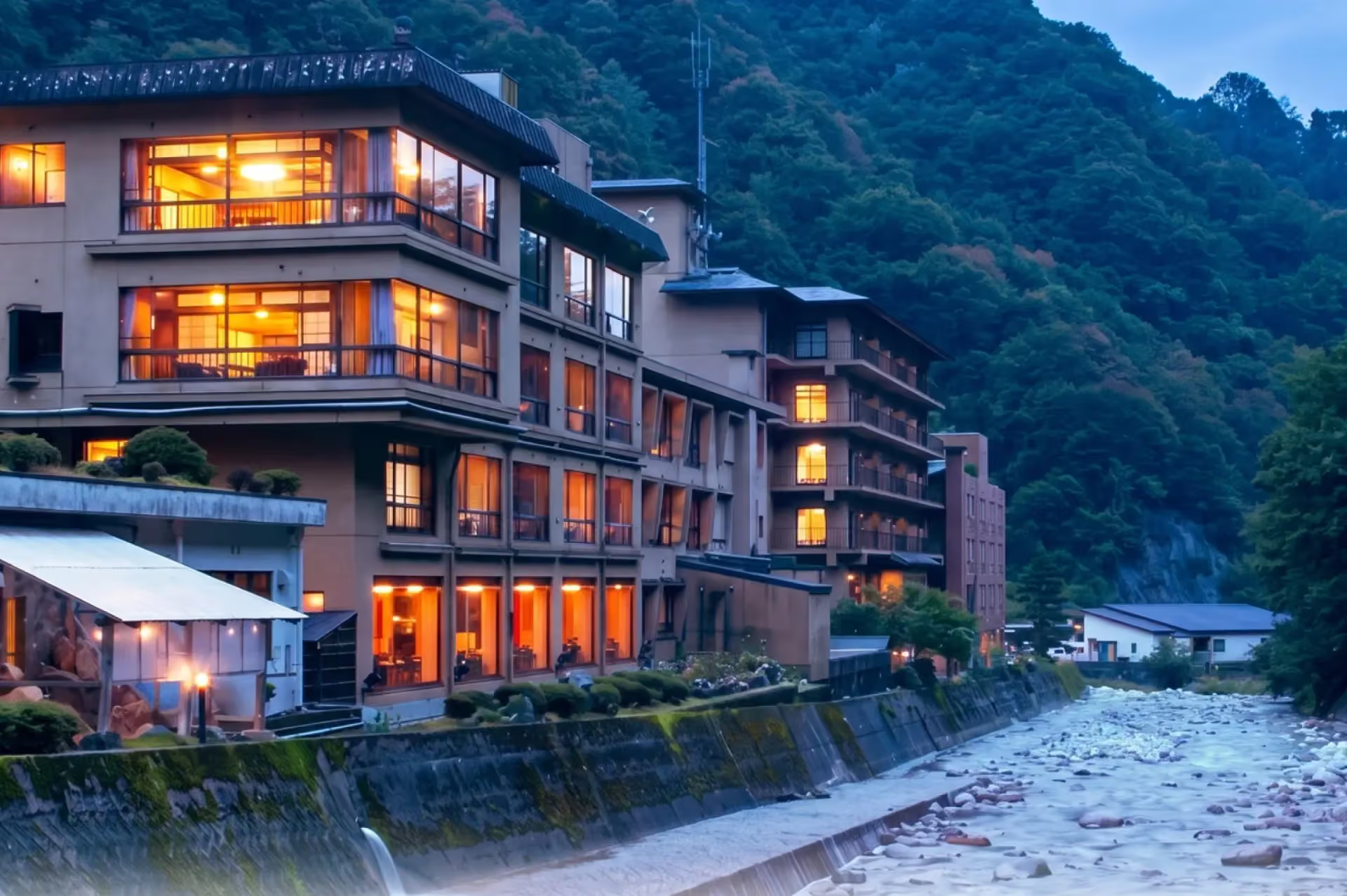
Morning hot springs are usually less crowded than at night, so it is easier to relax. In ryokan especially, the bath area is often quiet before breakfast, making it a calm time to unwind. As the body warms up, it becomes easier to refresh your mood, and in cold seasons it feels pleasant as a gentle warm-up before going out sightseeing. If the facility has an open-air bath, you can enjoy a view and atmosphere that feel different from nighttime.
Why short and mild is better in the morning
Around waking time, sympathetic nervous activity increases as you become alert, and blood pressure tends to rise briefly. This is known as early-morning hypertension or the morning surge. Epidemiological research also shows that heart attacks and strokes are more likely to occur in the morning. In addition, sleeping sweat can leave you slightly dehydrated when you wake up.
In other words, morning is a time when the body is somewhat more easily strained. That does not mean a morning bath is dangerous. There are no official statistics showing that accidents happen more often simply because it is morning, so we cannot claim a specific risk number for morning baths. What we can say is that because blood pressure is more likely to fluctuate, it makes sense to avoid hot water and long soaks.
Safety guidelines for bathing
Many bathing accidents are caused by winter temperature differences, and the Consumer Affairs Agency has published safety guidelines for bathing. They apply to morning hot springs as well.
| Point | Guideline |
|---|---|
| Water temperature | Mild, 41°C or lower |
| Bathing time | Up to 10 minutes (in the morning, 5–10 minutes is enough) |
| Before entering | Warm up with water first and drink one glass of water |
| When getting out | Do not stand up suddenly |
| After bathing | Sit and rest for a few minutes, and check whether you feel lightheaded |
Because the temperature difference between the changing room and the bath can also be a strain, it is reassuring to keep the bath area warm in winter. The detailed mechanism of heat shock is also covered in Time and Frequency for Bathing in Hot Springs.
Before or after breakfast, which is better?
For many people, bathing before breakfast is easiest. In ryokan, that time is often quiet, and the Consumer Affairs Agency also recommends avoiding bathing immediately after meals. Right after eating, blood flow is needed for digestion, while bathing redirects blood flow toward the skin.
However, if you feel unwell when too hungry, do not force yourself. Drink a small amount of water and decide based on your condition. For meals after bathing, Meals and Hydration After Hot Springs and Sauna is also helpful.
When you should avoid it
If any of the following apply, it is better not to force yourself to take a morning bath.
- You did not sleep enough and feel very tired or dizzy
- Alcohol from the previous day is still affecting you
- You have a fever or feel unwell
- You feel sick because you are too hungry
If you have a chronic condition or a doctor has warned you to be careful about bathing, be cautious and do not make the decision lightly. Bathing while alcohol is still in your system is especially risky because it increases the chance of accidents caused by blood pressure fluctuations.
Are morning sauna and morning hot springs the same feeling?
They are not the same. Both are ways to warm the body in the morning, but sauna places a greater burden on body temperature rise and sweating. If you want to relax in the morning, hot springs are usually easier to start with. There is no need to seek a strong stimulus first thing in the day.
Frequently asked questions
Is a morning bath bad for your body?
Not necessarily, but right after waking is a time when blood pressure can fluctuate easily. If you avoid hot water and long soaks and keep it short and mild, you can enjoy it safely.
How many minutes is best for a morning hot spring?
About 5–10 minutes is a good guideline. The Consumer Affairs Agency suggests 41°C or lower and up to 10 minutes as safe bathing conditions, and even less time is enough in the morning.
Should I bathe before or after breakfast?
In a ryokan, the quiet time before breakfast is often easiest, and it is safer to avoid bathing immediately after a meal. However, if you feel sick when hungry, do not force it.
Is it okay to take a morning bath before departure?
It is fine as long as you have time to rest afterward. If you rush in right before checkout, you may not recover properly and can feel more tired, so leave some margin.
Summary
Morning hot springs are a pleasant habit that lets you enjoy the bath in a quiet time. However, the body is not yet fully awake in the morning, and blood pressure can fluctuate more easily. Drink water, warm up with water first, and bathe briefly in mildly warm water at 41°C or lower. By prioritizing easing into the day over deep warming, morning hot springs are less likely to go wrong.
