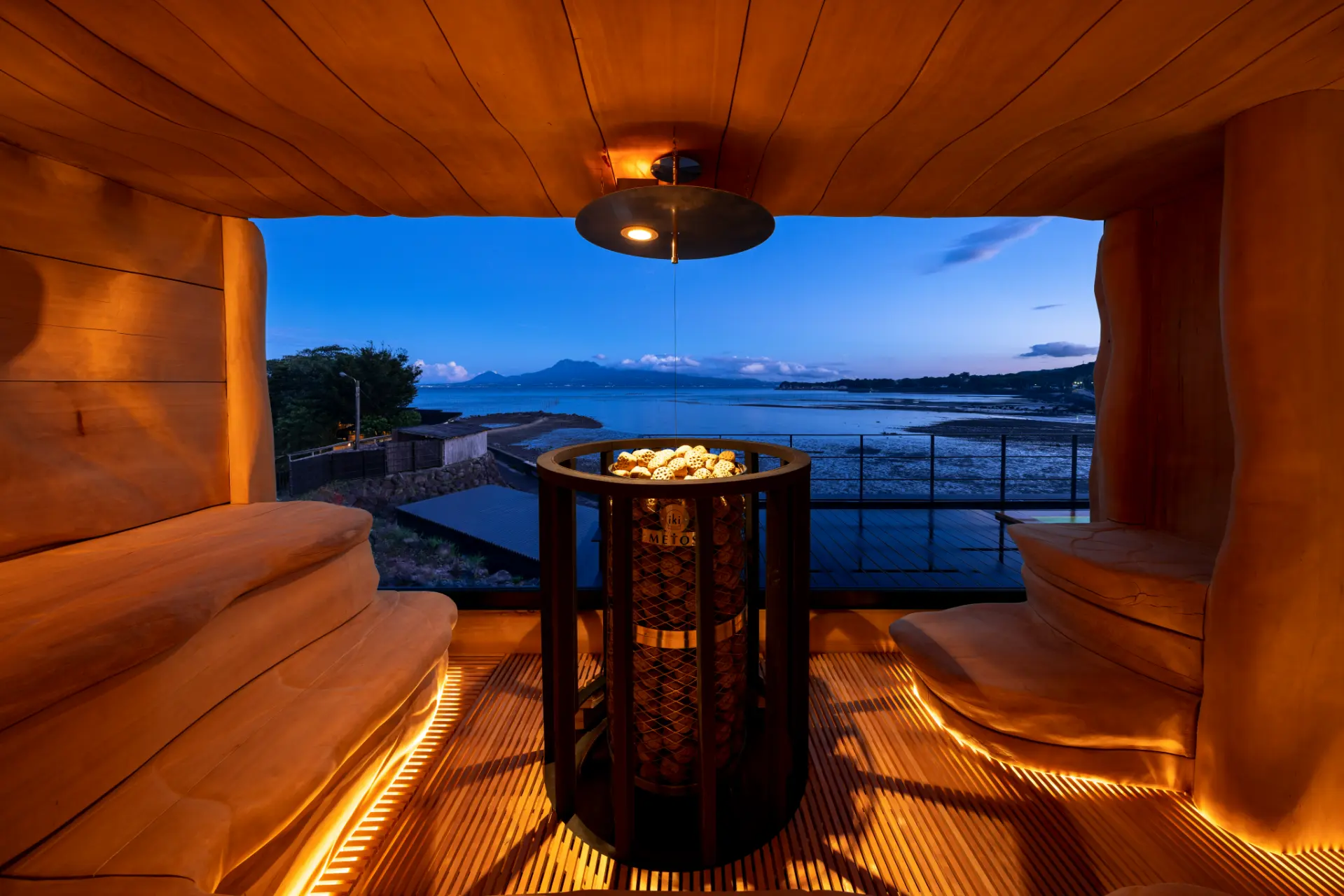
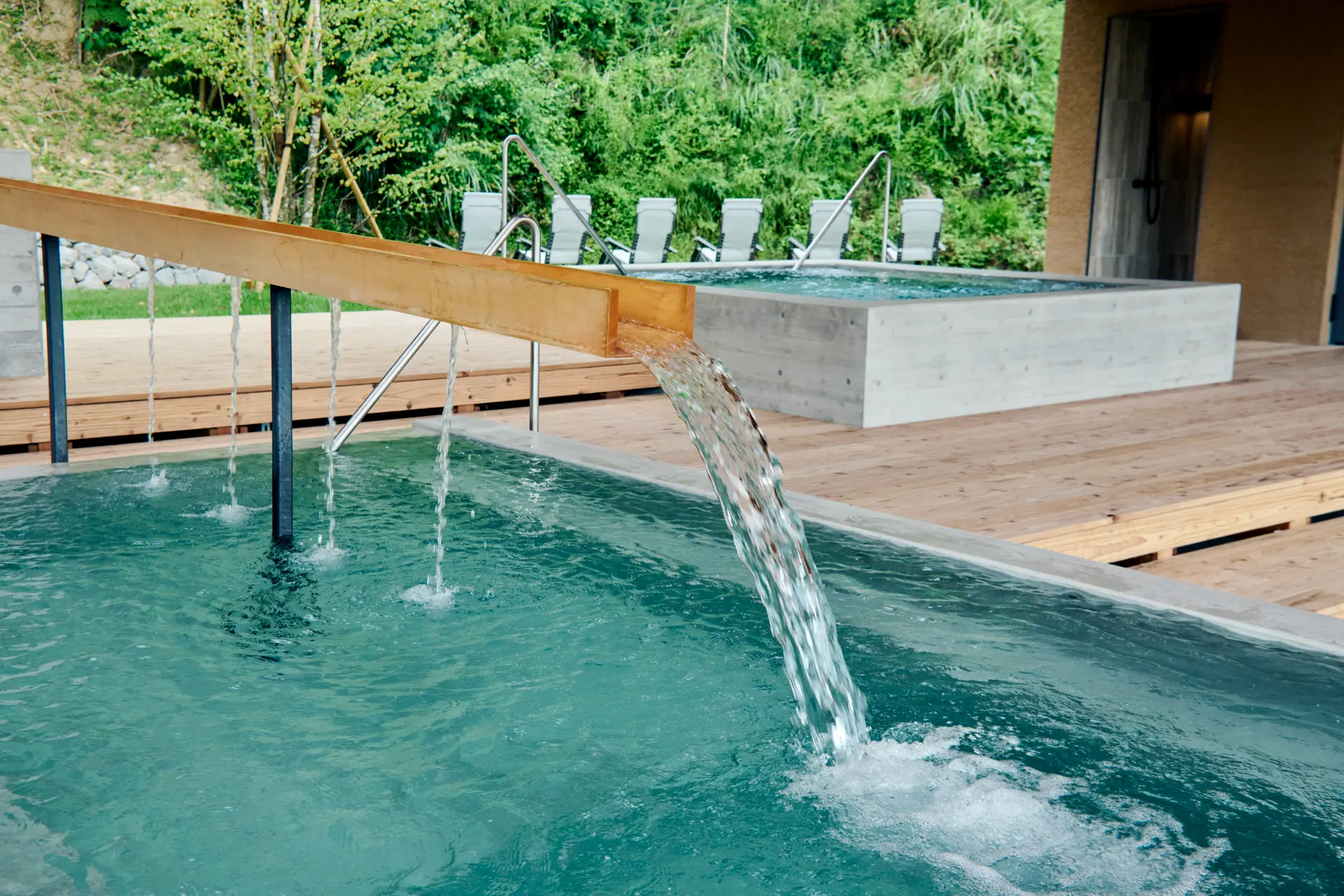
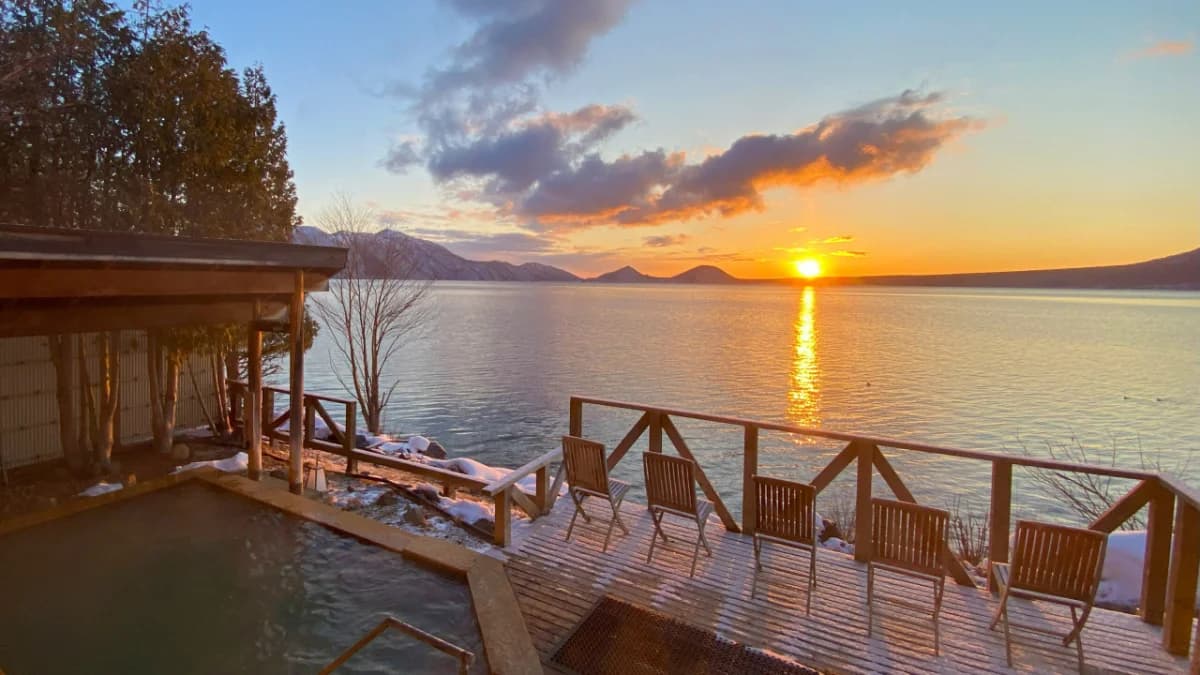
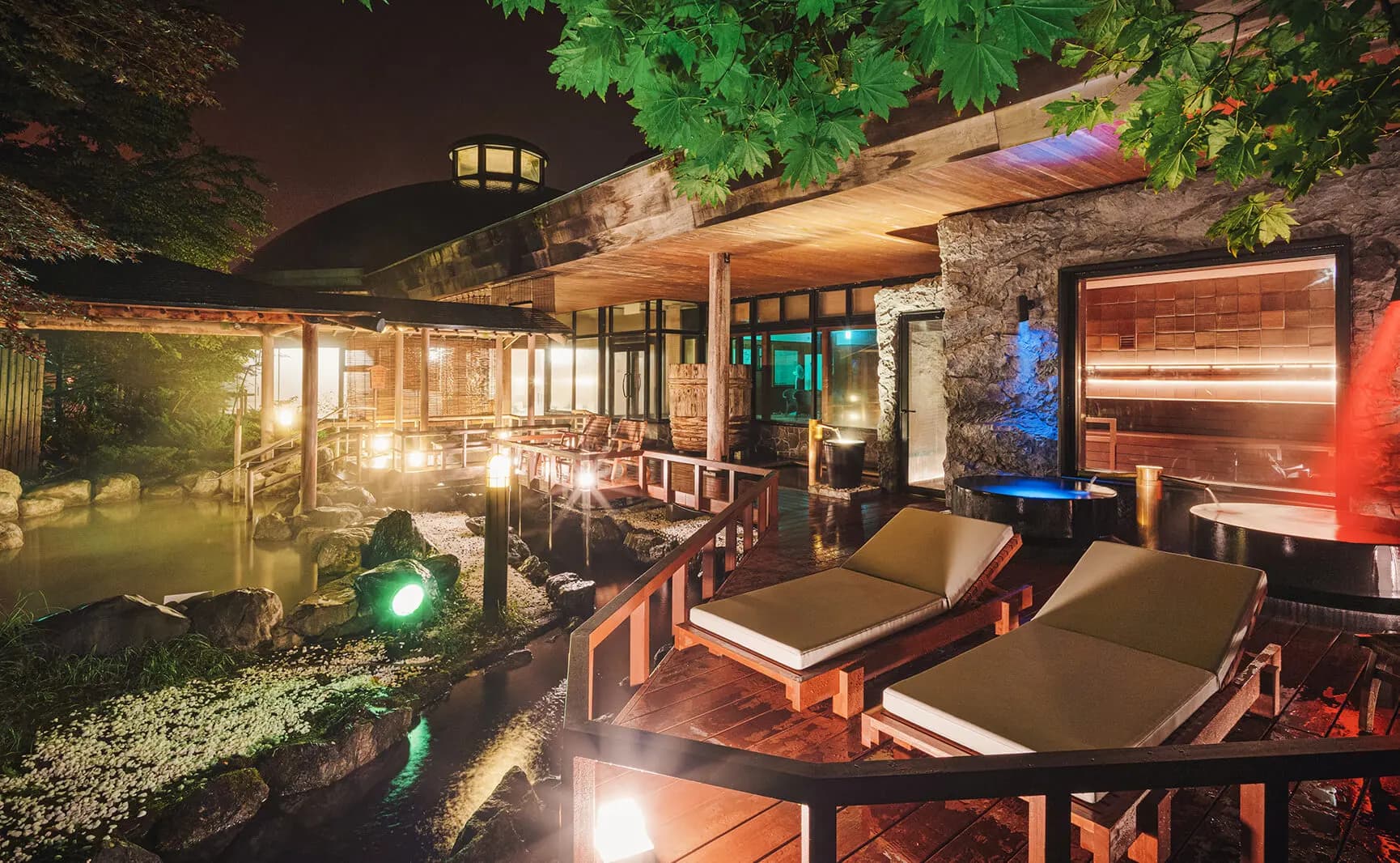
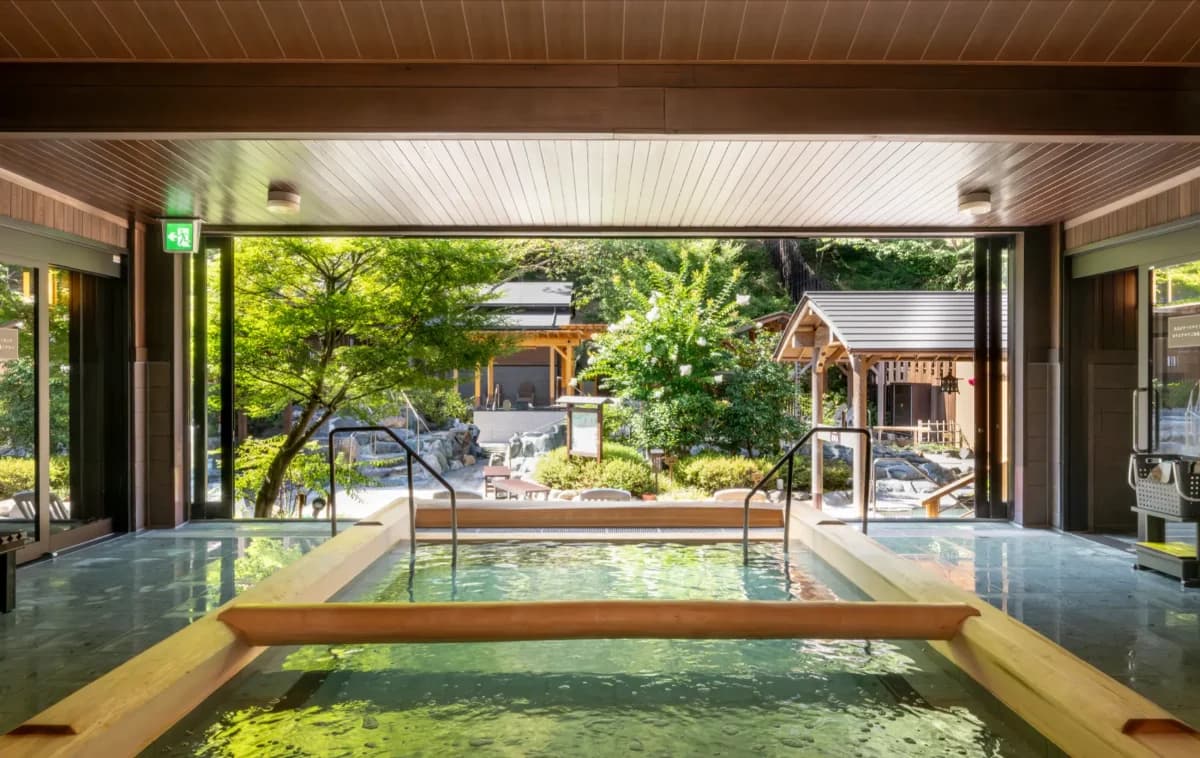
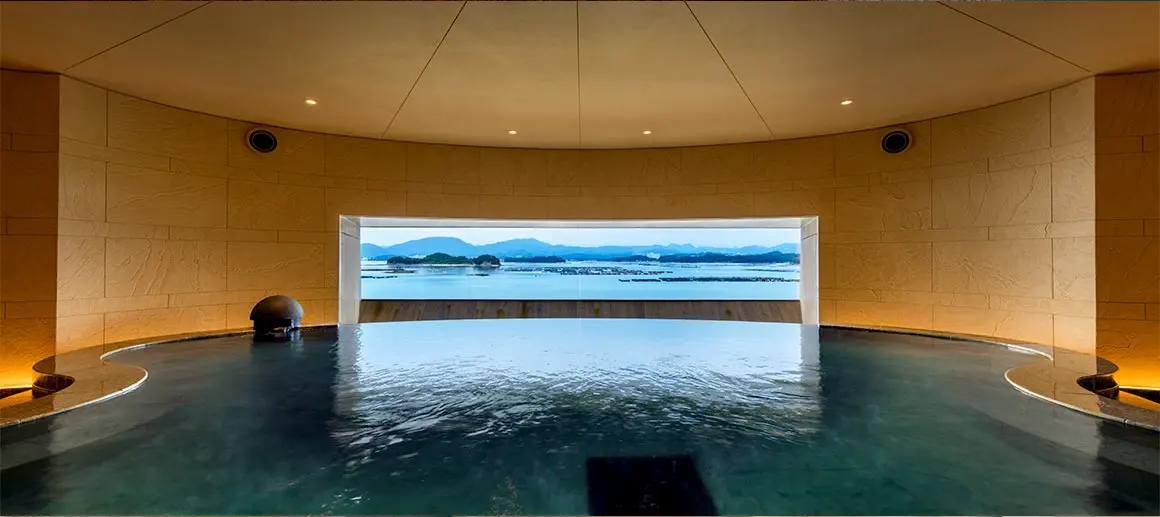
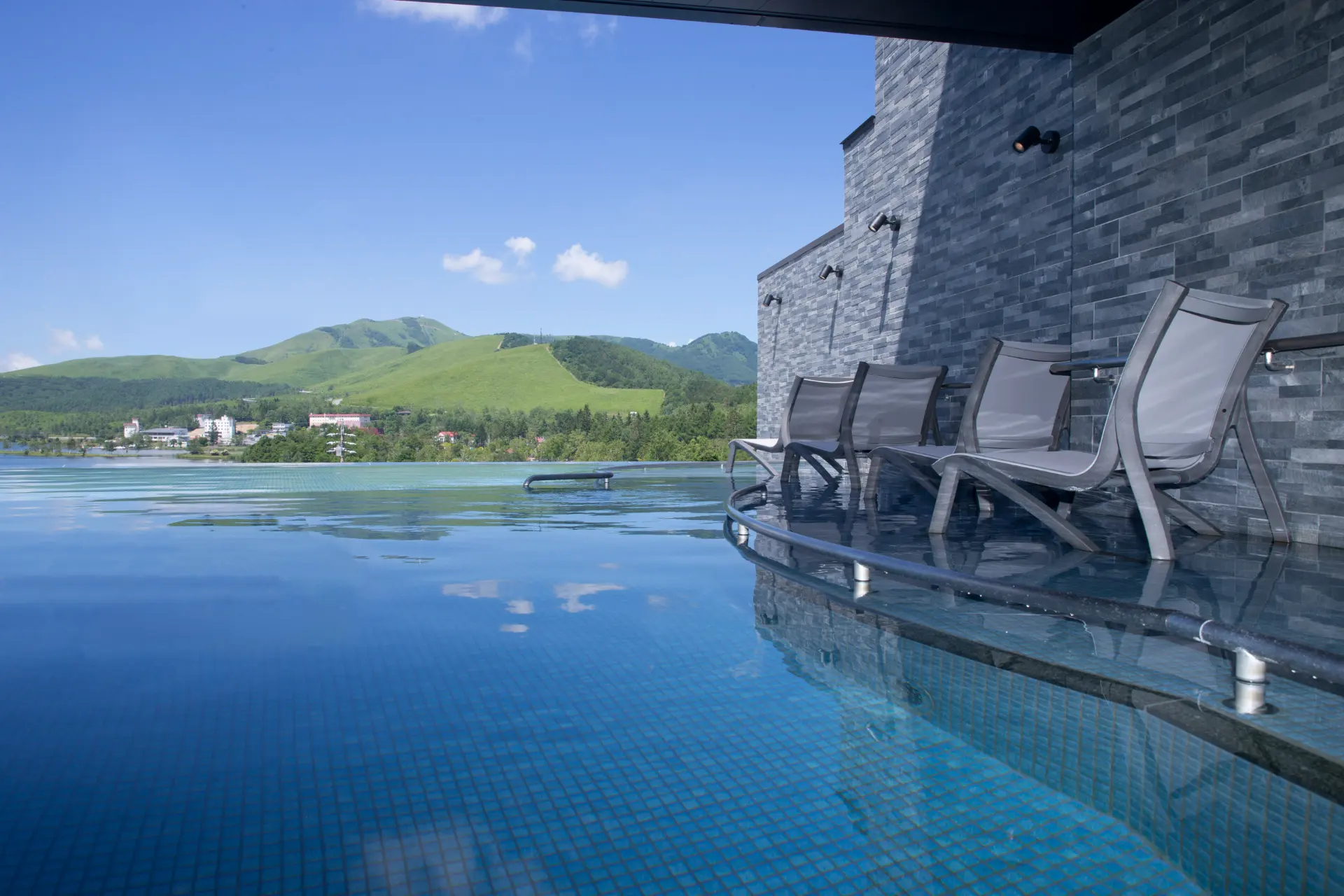
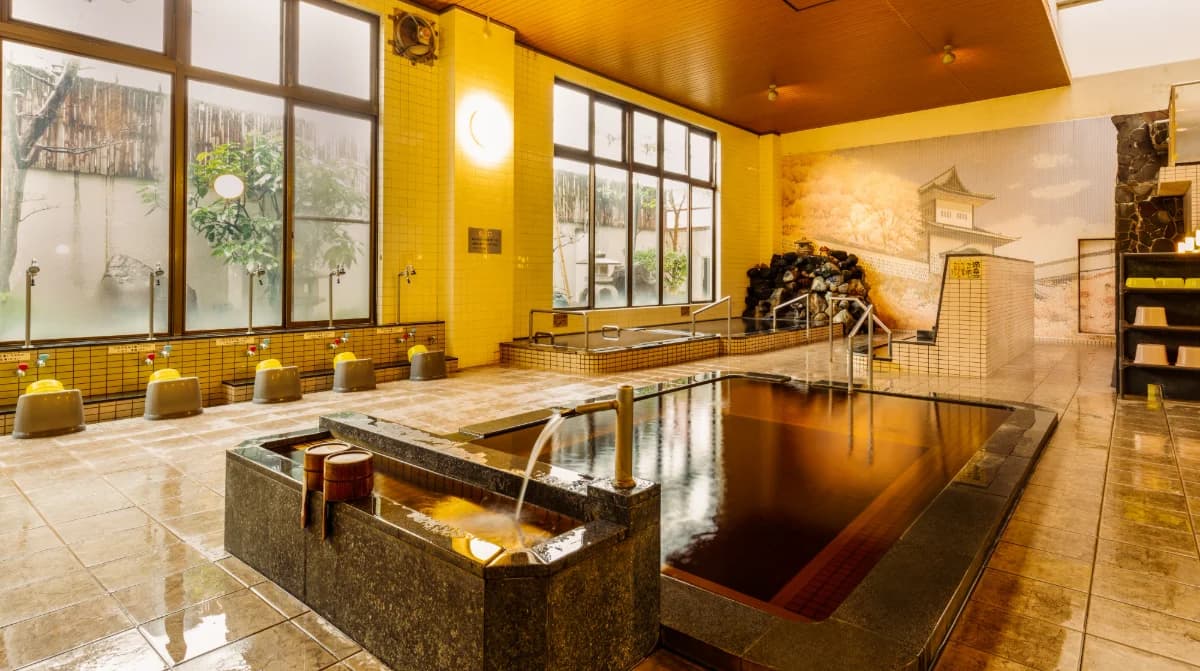
An open-air bath is a hot spring tub placed outdoors. It is one of the features that defines Japanese hot springs, and what differs most from an indoor bath is not the water itself but the environment. As you soak, the cold air, wind, water sounds, and scenery such as mountains, sea, or snow become part of the bathing experience. Even with the same source, the impression of an indoor bath and an open-air bath changes noticeably.
For travelers, the appeal of an open-air bath is that you can enjoy the scenery and the season together with the hot spring. A bath overlooking a valley, one by the sea where you can hear the waves, or a snow-view bath with steam rising amid falling snow each offer a completely different experience depending on the location and time of year. At the same time, outdoor bathing comes with its own cautions, especially in winter, when you must be careful about the sudden chill after leaving the water.
This article organizes the appeal of open-air baths by location, seasonal highlights, the difference between managed open-air baths and wild springs, and practical tips for staying comfortable outdoors. For the broader question of why Japanese hot springs are special, see Why Japanese Hot Springs Are Special. For choosing among facility types, see Types of Japanese Bath Facilities. Here, we focus on the open-air and natural hot spring experience.
What Is an Open-Air Bath? The Difference from an Indoor Bath Is the Environment
An open-air bath refers to a tub set up so that it is exposed to the outside air, even if it has a roof or walls. Forms range from fully open baths to half-open baths with a roof. What they share is that, unlike an indoor bath enclosed inside a building, air, wind, sounds, light, and scenery all enter the bathing experience.
That is why the quality of an open-air bath depends not only on the water itself but also on what you can see and hear outside. Some open-air baths look out only on the sky beyond a wall, while others face a wide valley right in front of you. Since the presence of a view varies by facility even when it says there is an open-air bath, it is better to check photos and information in advance to avoid disappointment.
Quick Guide to the Appeal and Best Seasons by Location
The experience of an open-air bath is largely determined by its location. Here is a summary of typical locations, their appeal, and the seasons that suit them best. These are general trends, and the best time and view vary depending on the region, weather, and the direction the facility faces.
| Location | Main Appeal | Best Season | Notes |
|---|
| Valley or riverside | River sounds and fresh green or autumn leaves nearby | Spring fresh green, autumn leaves | During high-water periods or after rain, the water sounds are louder and insects are more common |
| Seaside or ocean view | Open feeling toward the horizon, sunrise and evening views | Year-round, especially comfortable on summer mornings and evenings | Strong wind and sea breeze can make it feel colder |
| Snow-view bath in snowy or mountain areas | Quiet steam rising in the snow | Winter | The temperature difference is especially large when changing clothes or moving between areas |
| Mountain or plateau | Cool air and scenery thanks to the elevation | Summer and early autumn | Cold mornings and evenings; in summer, sunlight and insects |
| Panoramic view | Wide views of cityscapes, sea of clouds, and more | Depends on the season and the view | Often at higher elevations, so wind and temperature changes are more noticeable |
As the table shows, seaside and panoramic baths emphasize openness, valley baths highlight the changing seasons, and snow-view baths focus on quiet atmosphere. The location and time of year you choose will change depending on what kind of experience you want most. If you are aiming for a short-lived view such as snow scenery or autumn leaves, it is worth checking the timing for each region before booking.
How the Four Seasons Change the Experience
The appeal of an open-air bath becomes most obvious when it combines with seasonal scenery. In spring, cherry blossoms and newly sprouted greenery color the area around the bath. In autumn, the turning leaves add vivid color. In winter, a snow-view bath creates a striking scene as falling snow contrasts with rising steam.
Summer is also an open-air bath season, even if people often overlook it. Even when daytime temperatures are high, mountain and plateau baths can feel fresh and cool in the morning and evening, letting you soak while hearing insects or river sounds. The time of day also changes the experience: mornings are quiet with soft light, evenings bring shifting sky colors, and some facilities offer night views or starry skies. Because seasonal scenery depends on weather and the best viewing period can be short, planning ahead is important if you want to catch it at the right time.
Managed Open-Air Baths vs. Wild Springs
When people hear about hot springs in nature, they may imagine water bubbling up naturally in the mountains. This is called a wild spring. It is very different from a managed open-air bath, so the two should not be confused.
Open-air baths at inns and day-use facilities are managed for water temperature, hygiene, footing, and changing areas so that anyone can use them safely. Wild springs, by contrast, are often natural hot springs without a manager. Access may be limited to hiking trails or riverbanks, the temperature may be unstable, the ground may be difficult to walk on, hygiene is unpredictable, and land rights and etiquette can also become issues. In some places, entry or bathing may not be allowed at all.
In other words, for most travelers who want to enjoy hot spring bathing in nature, a managed scenic open-air bath is enough. Wild springs are for people with experience, equipment, and local information, and they are not something to approach casually. The safety points in this article assume the use of managed open-air baths.
Outdoor Cautions: Temperature Swings, Dizziness, and Footing
Open-air baths are pleasant, but they are more affected by weather and temperature than indoor baths. In winter especially, your body can cool quickly from the outdoor air right after leaving the warm water. If there is a large temperature difference between a warm changing room and the cold outdoors, it can cause a sudden change in blood pressure. Japan’s Consumer Affairs Agency advises, as part of winter bathing safety, warming the changing room and bath area first, keeping the water at 41°C or below, limiting bathing to about 10 minutes, and avoiding standing up suddenly from the tub. When moving to an outdoor bath, do not rush, and after getting out, dry yourself thoroughly before moving. For more detailed safety advice on temperature changes and bathing precautions, see Hot Spring and Bathing Safety Tips.
You should also watch out for dizziness. It is easy to lose track of time while admiring the view, but it is safer to enjoy the scenery in shorter sessions rather than soaking for too long. The Ministry of the Environment also notes that older adults and people with high blood pressure or heart disease should avoid hot full-body baths and that half-body baths or partial baths are preferable. For cooling down safely after bathing, the ideas in What Is a Cold Plunge Bath?, which covers sauna cooling culture, may also be helpful.
Practical points about footing and seasonal conditions matter too. Because these are outdoor facilities, rain and wet rock or wooden decks can be slippery. In summer, sunlight and insects, especially mosquitoes and gnats in the evening, are more common, and they are even more numerous by rivers. On windy seashores and at high elevations, the perceived temperature drops. If you keep in mind that weather affects outdoor spaces, you can avoid most problems.
Etiquette Is the Same as Indoor Baths, with Extra Care for the View
The basic way to use an open-air bath is the same as an indoor bath. Rinse your body with a pre-bath splash before entering, and do not put your towel in the water. One open-air-specific point is that in scenic baths you may feel like taking photos, but photography in communal bathing areas should generally be avoided because it affects other guests’ privacy. Whether photography is allowed and what you can bring in depends on each facility. For general etiquette, including behavior in open-air baths, see Hot Spring Etiquette Guide.
If you want to find scenic open-air baths, narrow your search by region or type of view in the facility list, then check the photos and information to confirm the actual scenery and features before choosing. That is the best way to avoid disappointment.
Frequently Asked Questions
Which is better, an open-air bath or an indoor bath?
Neither is better overall. Open-air baths let you enjoy the scenery and fresh air, while indoor baths may feel more comfortable on cold or windy days. If a facility has both, using them together often gives the best satisfaction. In winter, it can also be pleasant to warm up in the indoor bath first and then spend a short time outside.
What should I be careful about in a snow-view bath?
The biggest concern is the temperature difference. When you step out into the snow after warming up, your body can cool suddenly. Dry yourself immediately, choose a facility with a warm changing room, and do not rush when moving around. Avoid long baths and get out before you start to feel unwell.
Is a wild spring the same as a normal open-air bath?
No. A wild spring is a natural hot spring without a manager, and it has high barriers in terms of access, water temperature, hygiene, footing, and land rights or etiquette. In some places, entry is not allowed. If all you want is to enjoy hot spring bathing in nature, a managed scenic open-air bath is enough.
Can I know in advance what I will see from an open-air bath?
To some extent, yes, through the facility’s photos and information. However, even an open-air bath may only show the sky beyond a wall. If you want a particular view such as a valley, sea, or snow scenery, it is safest to check the orientation and view details in advance.
Is it okay to stay in an open-air bath for a long time?
It is easy to stay too long while admiring the view, but short sessions with breaks are easier on your body and help prevent dizziness and chilling. A rough guideline is water at 41°C or below and about 10 minutes per session, adjusted to your condition.
Summary
An open-air bath is a hot spring tub that lets you feel the outside air and scenery while bathing, and its difference from an indoor bath lies in the environment rather than the water quality. The experience changes greatly depending on the location—valley, seaside, snow-view, mountain, or panoramic—as well as the season, such as spring greenery, autumn leaves, winter snow, or cool summer mornings and evenings. By contrast, unmanaged wild springs are difficult in terms of access, safety, and etiquette, so a managed scenic open-air bath is the realistic choice for most travelers. Because it is outdoors, pay attention to temperature swings, dizziness, and footing, and enjoy the scenery in short sessions for a safe and satisfying experience.
Sources