Japan’s hot springs are considered special not just because you can bathe in warm water. Their appeal lies in how the number of springs, the variety of waters, outdoor baths, hot spring towns, inn culture, and bathing etiquette all come together as one experience.
It is not necessary to claim they are the “best in the world,” but it is true that Japan’s hot spring experience differs greatly from bathing cultures in other countries. This article explains why, using concrete data.
Conclusion first: it is the whole experience, not just the water
Japan’s hot springs are special because several elements overlap. There are many hot spring areas, so they are easy to fit into travel plans. The range of spring waters creates distinct character. Outdoor bath culture is strong. They are tied to hot spring towns and inn culture. And cleanliness and manners help support the quality of the experience. Let’s look at each point.
There are many: hot springs across the country
Japan is one of the world’s leading volcanic countries. The Japan Meteorological Agency lists 111 active volcanoes in the country, so it is blessed with underground heat. As a result, hot springs are not limited to a few regions; they are found throughout Japan.
According to an Environment Ministry survey at the end of fiscal 2022, there were 2,879 hot spring areas with lodging facilities nationwide, and the total number of sources reached 27,932. For travelers, the key point is that hot springs are not a rare destination; they are something that can be easily built into almost any itinerary. For more on why they appear so widely, see how hot springs emerge.
Diverse waters: choose a hot spring with character
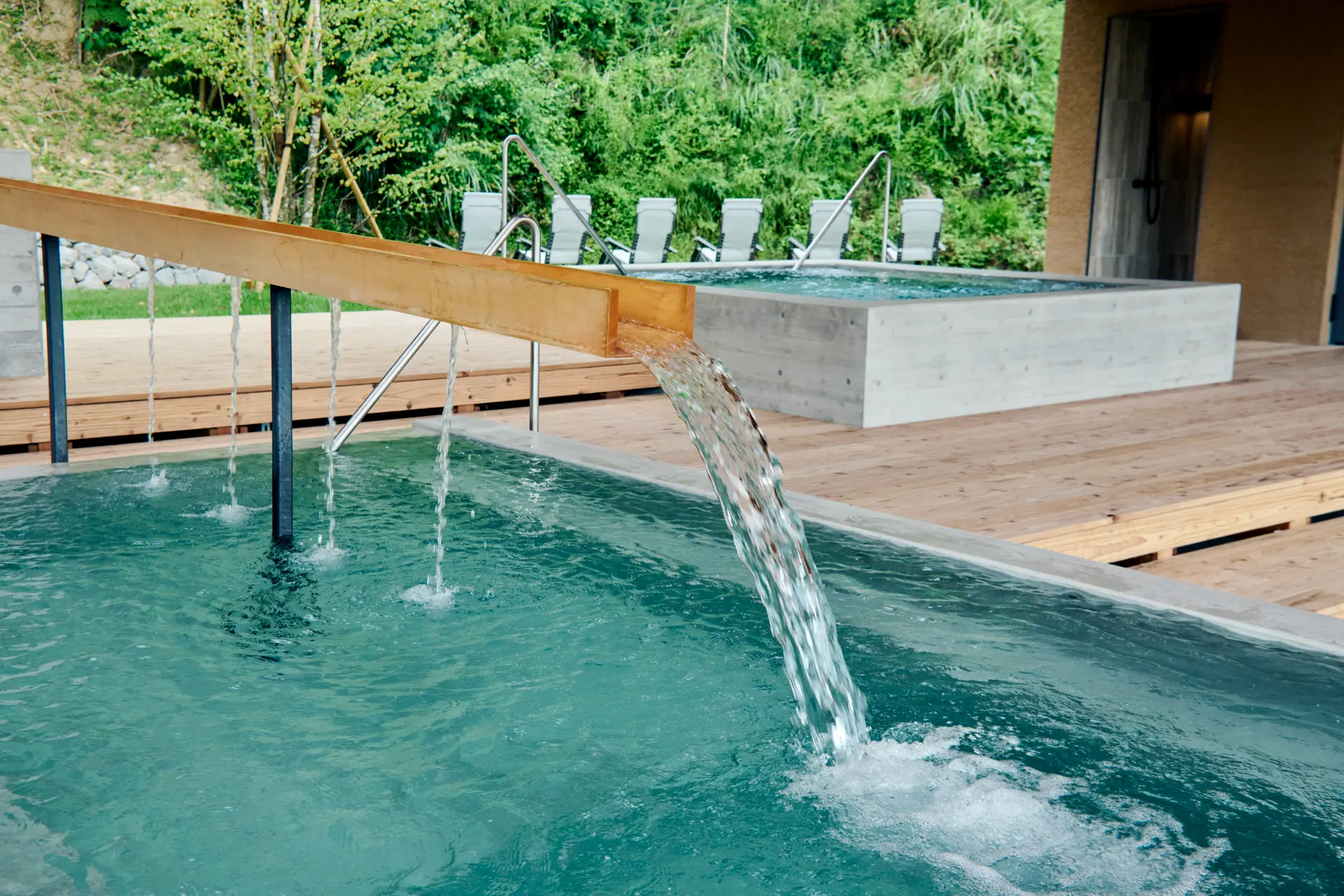
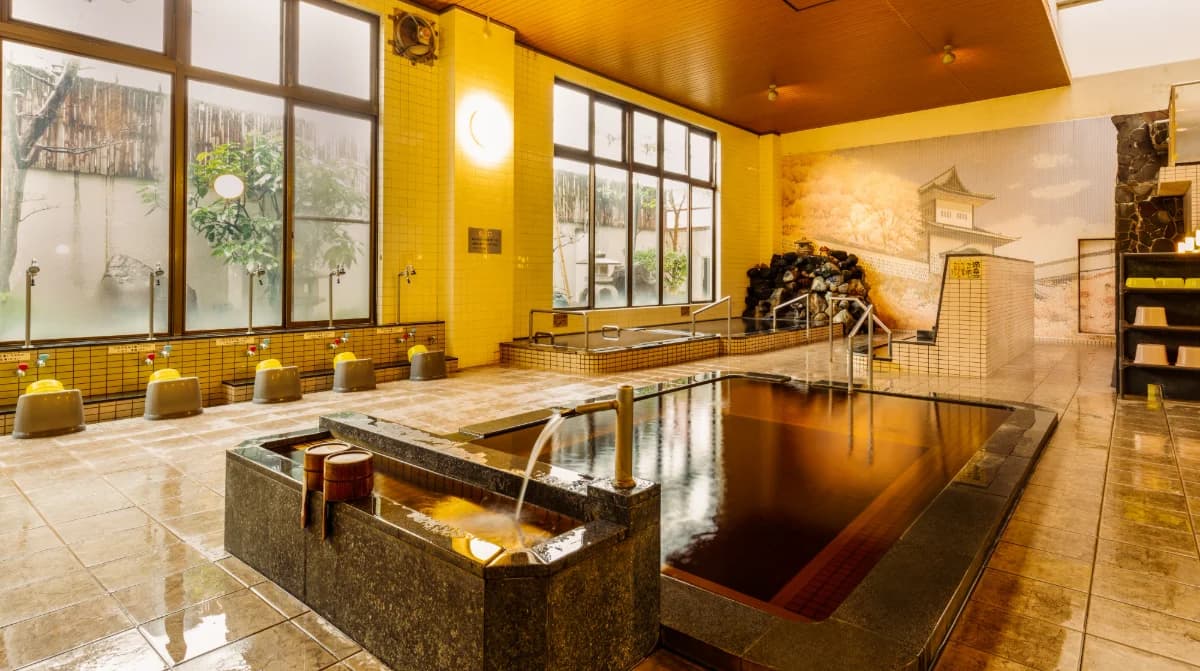
Japanese hot springs are classified into 10 therapeutic spring types based on their mineral content, and each one can have a distinct color, smell, and feel on the skin. There is pleasure in tasting the differences between baths, such as the milky look of sulfur springs, the brownish color of iron-rich springs, and the smooth texture of bicarbonate springs. A full overview is available in the hot spring water types guide.
Connected to outdoor baths, hot spring towns, and inn culture
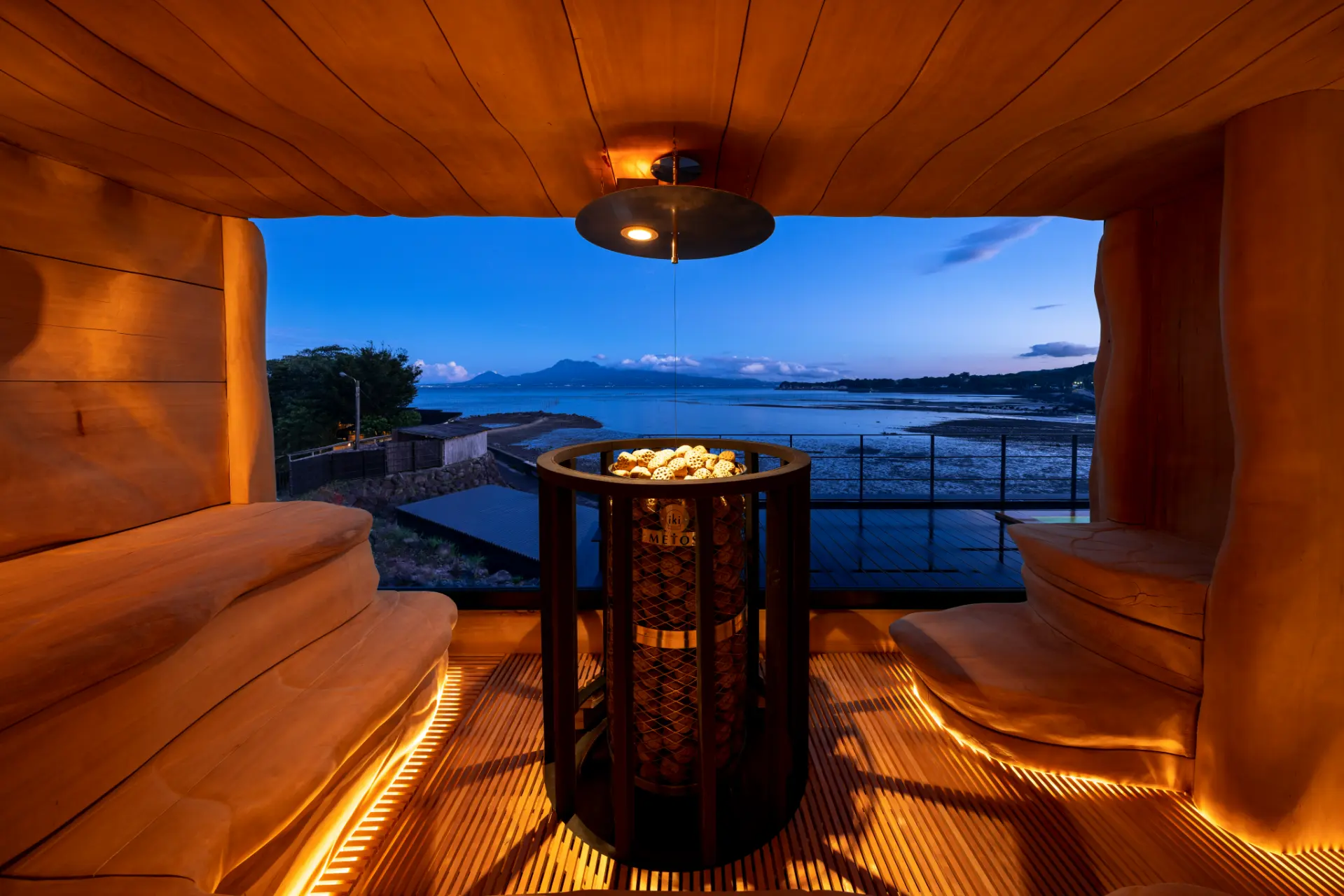
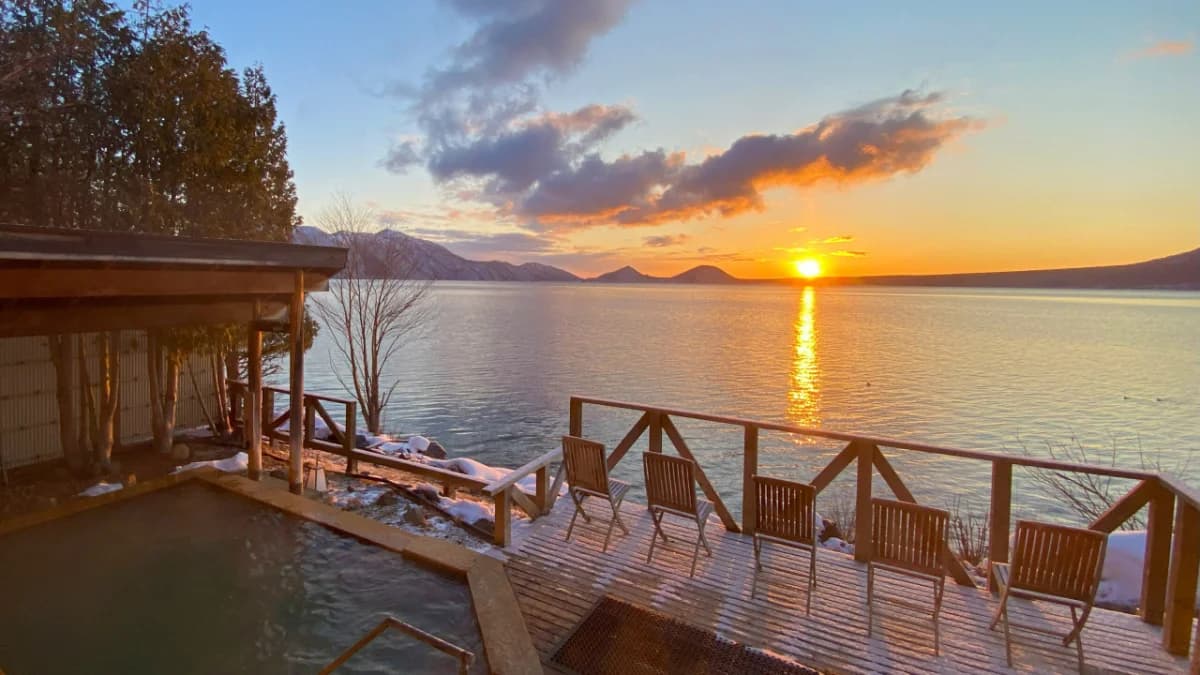
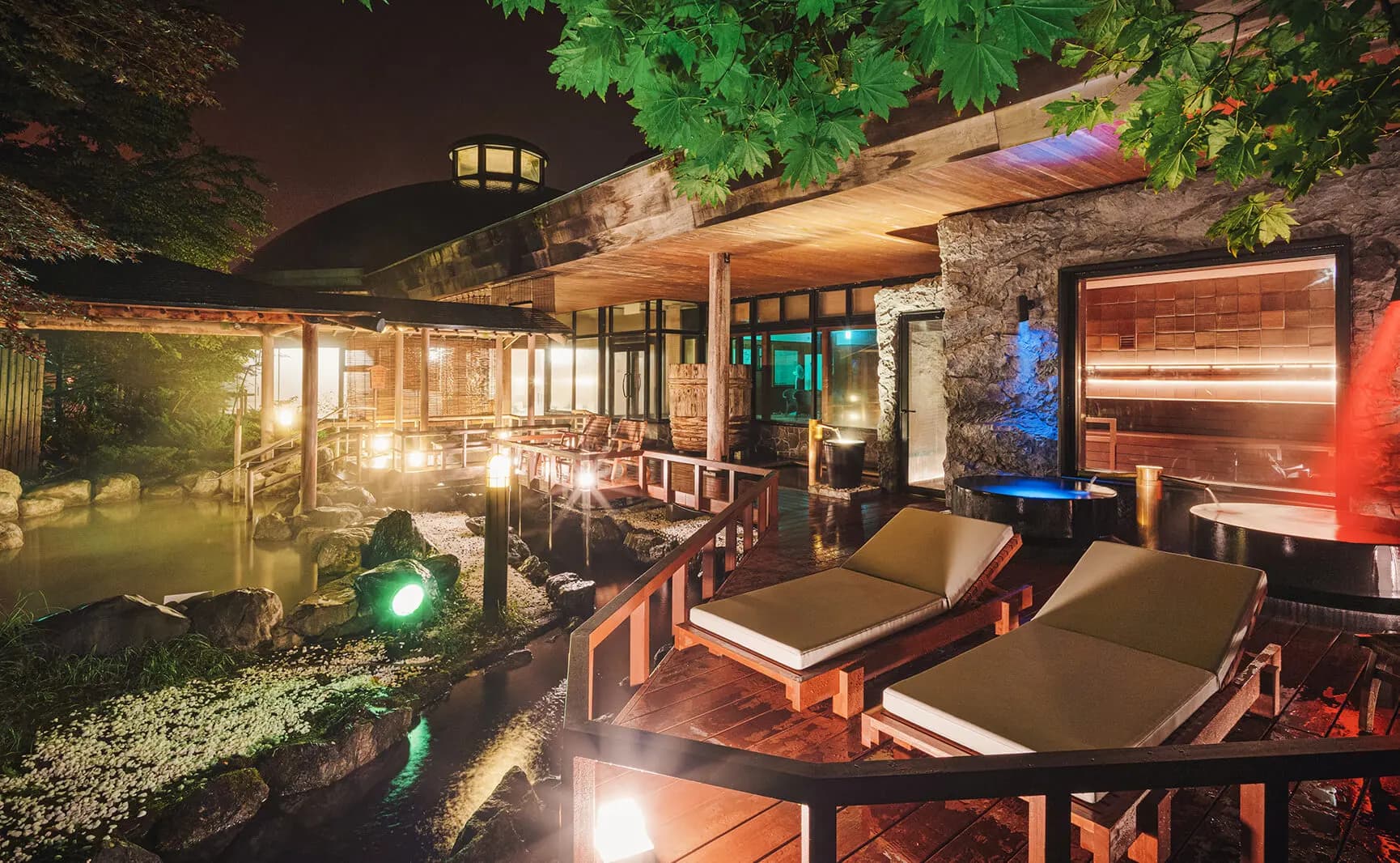
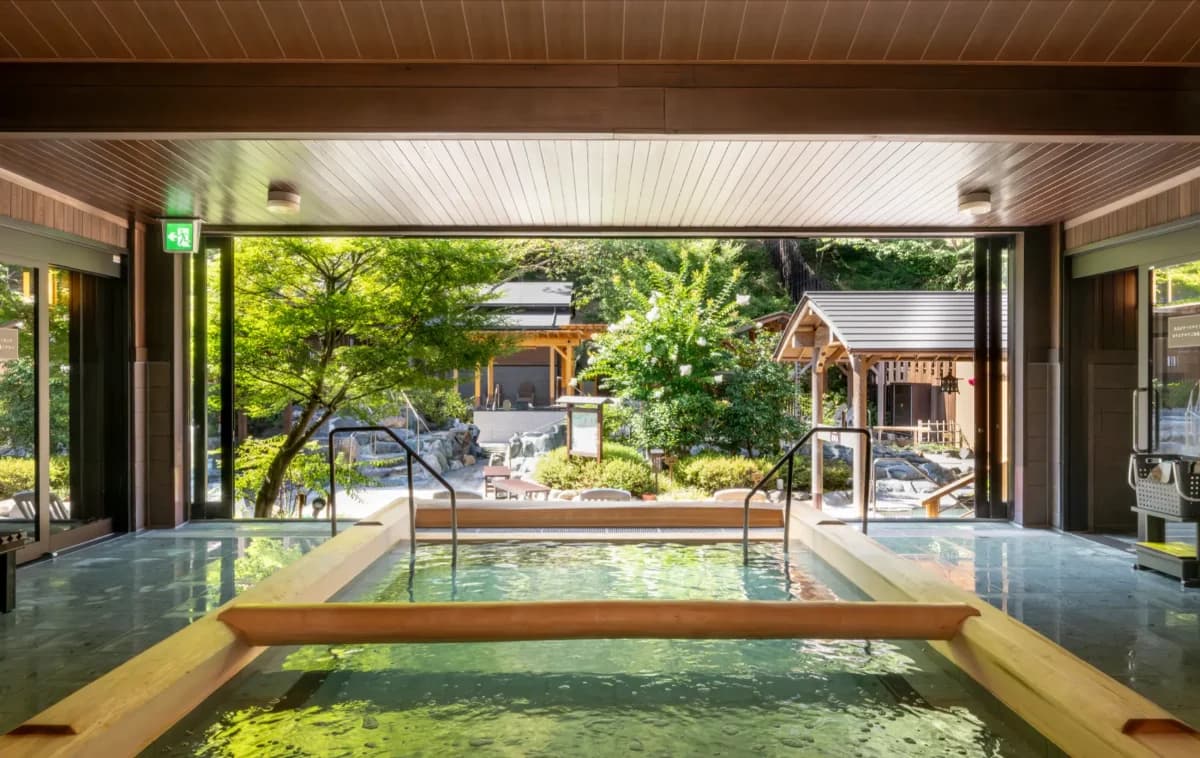
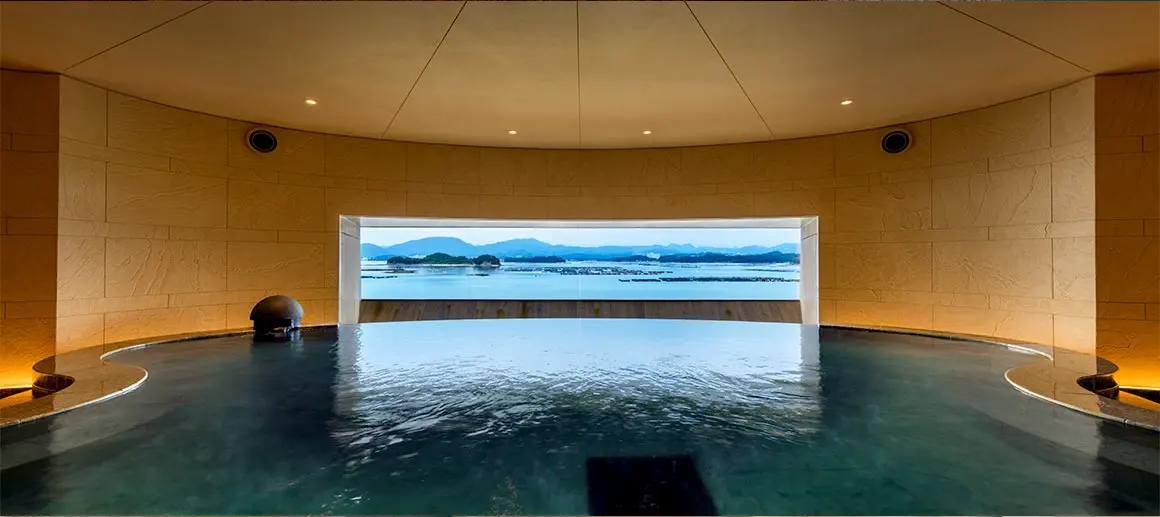
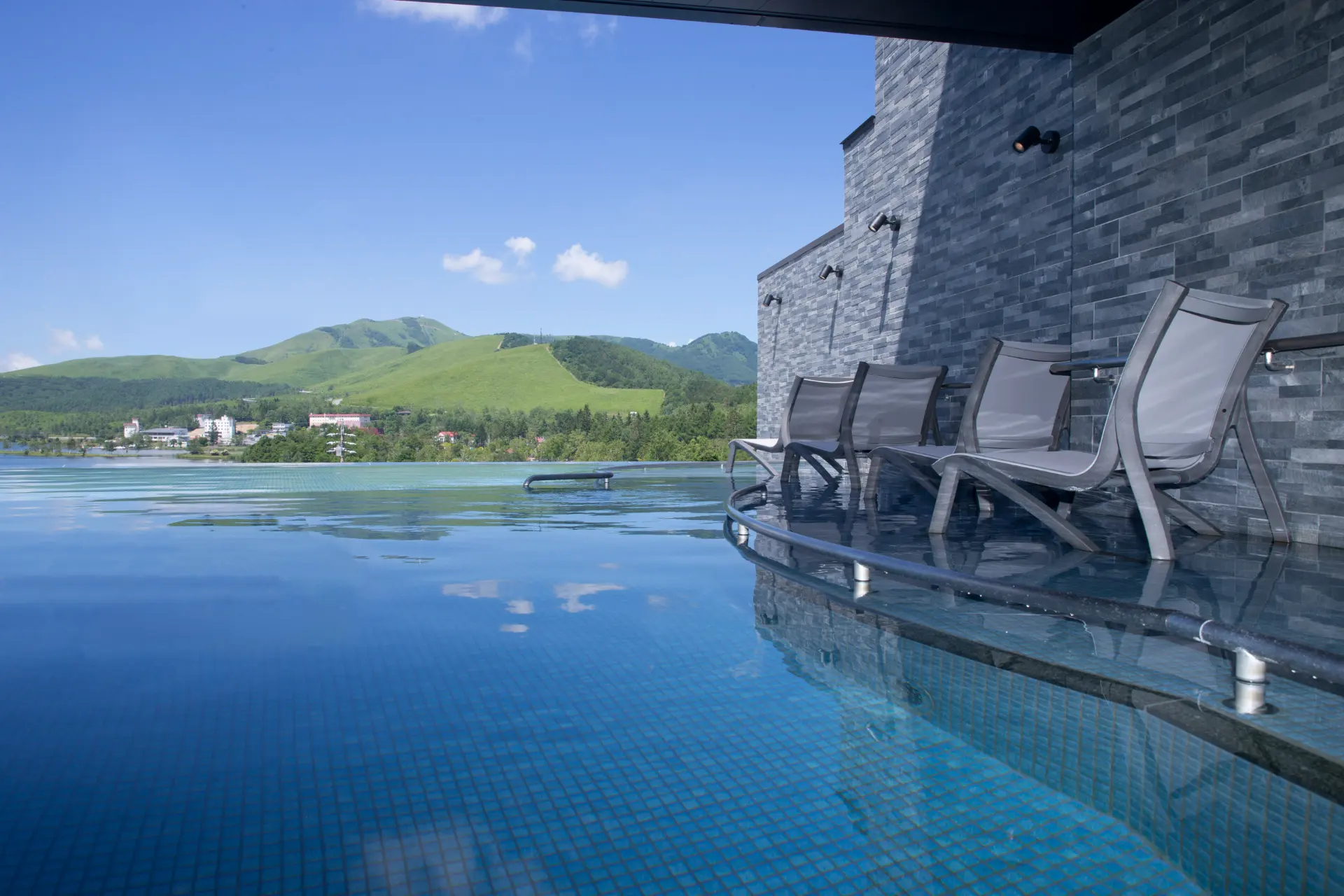
In Japan, bathing is closely tied to scenery and the stay itself. Think of outdoor baths where you can enjoy snow or autumn leaves, hot spring towns where you walk around in a yukata, and staying at a ryokan with meals and hospitality included. The experience around the water is part of what it means to go to a hot spring. For famous destinations, see Japan’s famous hot springs.
Manners and cleanliness support the experience
Wash your body before entering, do not put towels in the bath, and keep quiet. These bathing etiquette rules help keep shared baths clean and comfortable. Even the practice of sharing a bath naked works because everyone follows the same rules (why people bathe naked). This shared code of conduct raises the overall quality of the Japanese hot spring experience.
How it differs from bathing culture overseas
Compared with spas and baths overseas, the features of Japanese hot springs become clearer.
| Japanese hot springs | Common overseas spa style |
|---|
| Clothing | Nudity is standard | Swimsuits |
| Men and women | Separate by gender | Mixed use is common |
| How people spend time | Quiet soaking | Social conversation |
| Water character | Diverse spring types | Focus on temperature and facilities |
This is not about which is better. What stands out is that Japan places value on the time spent soaking itself and on which hot spring you choose.
Frequently asked questions
How many hot spring areas are there in Japan?
According to an Environment Ministry survey at the end of fiscal 2022, there were about 2,879 hot spring areas with lodging facilities nationwide, and the total number of sources was about 27,932.
Why does Japan have so many hot springs?
Because it is one of the world’s leading volcanic countries and is blessed with underground heat. Even in areas without volcanoes, digging deep can sometimes yield heated groundwater.
How are Japanese hot springs different from overseas spas?
They differ in major ways: bathing naked, gender-separated facilities, quiet soaking, and a wide variety of spring waters. It is a culture that values the time spent in the bath and the character of the water itself.
Summary
Japanese hot springs are special because about 2,879 hot spring areas and 27,932 sources, diverse waters, outdoor baths, hot spring towns, inn culture, cleanliness, and manners all come together as one experience. The biggest appeal is that you can enjoy not only the water, but also where you go and how you spend your time.
Sources