Tips for a Successful TripChoosing Hot Springs by Region
Hot Springs from Sapporo: Nearby Spots by Purpose
Planning hot springs before or after sightseeing in Sapporo or a flight via New Chitose Airport? This guide compares nearby hot spring areas by purpose: Jozankei, Noboribetsu, Lake Toya, Lake Shikotsu, Asari River, and Niseko.
Published: Jun 28, 2026
Tips for a Successful TripChoosing Hot Springs by Region
Hot Springs from Sapporo: Nearby Spots by Purpose
Planning hot springs before or after sightseeing in Sapporo or a flight via New Chitose Airport? This guide compares nearby hot spring areas by purpose: Jozankei, Noboribetsu, Lake Toya, Lake Shikotsu, Asari River, and Niseko.
Published: Jun 28, 2026
If you want to add a hot spring trip to a Sapporo base, it helps to decide what you want first rather than starting from the name of the destination. Whether you want the closest soak to Sapporo, the atmosphere of a famous spring resort, or a place that pairs with lakes or snowy scenery will greatly change where you should go and how long it takes.
In short, Jozankei is the easiest choice near Sapporo, Noboribetsu suits those seeking a famous spring resort atmosphere, Lake Toya and Lake Shikotsu are ideal for lakes and scenery, and Niseko works well if you want to combine skiing with hot springs. This article focuses on access from Sapporo. For a broader overview of Hokkaido’s hot spring areas, see Hokkaido Hot Spring Guide. If you plan to travel widely around the prefecture, read that guide as well. Travel times, fares, service availability, facility hours, and winter operations are all approximate, so be sure to check the latest official information from each railway or bus company and each local tourism association.
First decide your purpose, then choose your destination
When planning a hot spring trip from Sapporo, the key question is whether you want to keep travel short and focus on the baths themselves, or whether you are willing to spend more time to enjoy a famous spring or scenery. If you search by place name without clarifying this, the balance between travel and stay can easily become off.
If you want a short soak between sightseeing in Sapporo or before and after arrival or departure, Jozankei, often called Sapporo’s inner retreat, is the most practical choice. It is roughly an hour by bus from the city center and works well for both day trips and overnight stays. If you want to fully enjoy the atmosphere of one of Hokkaido’s most famous hot springs, Noboribetsu is better visited on a separate day and is more satisfying as an overnight trip. If you want lake views and nature, choose Lake Toya or Lake Shikotsu. If you want to combine skiing and hot springs, Niseko is the right direction. By deciding what you want first, the best destination becomes clearer on its own.
If you are using New Chitose Airport, it also helps to think about where to place a hot spring stop on your arrival or departure day. For ways to combine hot springs with airport travel, see Hot Spring Areas Easy to Reach from Major Airports.
Hot spring areas easy to reach from Sapporo and where they fit best
Here is an overview of representative hot spring areas that are easy to combine with a Sapporo trip, along with the type of traveler each suits best. Access and travel times are only estimates, and they can vary by season and service.
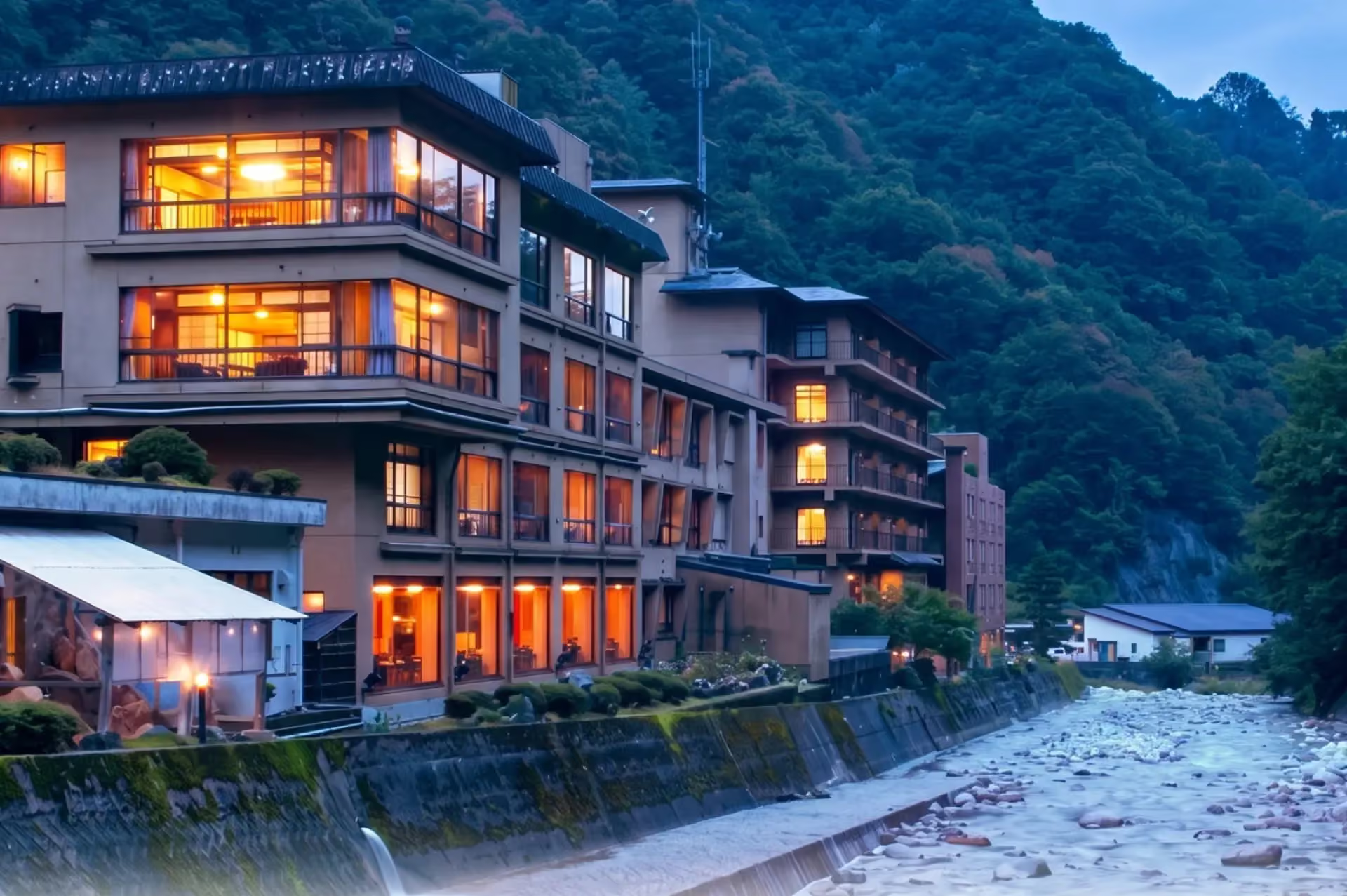
Jozankei Onsen is known as the hot spring area closest to Sapporo. Located along a valley upstream of the Toyohira River, it is called Sapporo’s inner retreat and has many inns and facilities that accept day-use bathing. Its main appeal is how easily it can be added between sightseeing or around airport time. For a full overview of the area, see Jozankei Onsen Complete Guide.
If you want the mood of a famous hot spring resort, Noboribetsu Onsen is a strong candidate. It is known for its variety of spring qualities, and its dramatic scenery, including the steam-filled Jigokudani valley, is unique to a hot spring destination. From Sapporo, the usual route is southwest by limited express train or bus, and because it is farther away, it is better enjoyed as an overnight stay rather than a day trip. Details are collected in Noboribetsu Onsen Complete Guide.
If you want lakes and scenery, Lake Toya Onsen and Lake Shikotsu Onsen are good choices. Lake Toya Onsen has inns lined up along the lakeshore and can be enjoyed together with volcanic landscapes such as Mount Usu and Showa Shinzan. Lake Shikotsu Onsen is relatively close to New Chitose Airport and is known for its clear lake and quiet, forested setting, making it easy to combine with airport travel. If you want a hot spring stop near Otaru, Asari River Onsen is a mountain hot spring area known for pairing well with Otaru sightseeing. If you want to combine skiing or a mountain stay with hot springs, Niseko is the main candidate. It is strongly associated with winter sports, and soaking after a day on the slopes is part of its appeal.
Because each place has a different character, it is usually better to choose by purpose, such as closest to Sapporo, famous hot spring, lake and scenery, or skiing, rather than by place name alone.
Quick access table from Sapporo
The table below summarizes representative hot spring areas that are easy to combine with Sapporo, showing approximate access from Sapporo, whether they are better for a day trip or overnight stay, and their main features. Travel times are approximate and vary by starting point, train or bus type, time of day, and season. Please check facility hours, fares, and winter operations through official sources.
| Hot spring area | How to get there from Sapporo (approx.) | Better for day trip or overnight? | Features |
|---|---|---|---|
| Jozankei Onsen | About 1 hour by bus from the city | Both are possible | Sapporo’s inner retreat, valley hot spring area |
| Noboribetsu Onsen | Southwest by limited express train or bus, about 2 hours | Better for overnight stays | Multiple spring qualities, Jigokudani scenery |
| Lake Toya Onsen | Southwest by train and bus, about 2.5 hours | Better for overnight stays | Lakeside inns, volcanic scenery such as Mount Usu |
| Lake Shikotsu Onsen | By bus and other transport, relatively close to New Chitose Airport | Both are possible | Clear lake, forest, quiet setting |
| Asari River Onsen | Via Otaru area, about 1 hour | Both are possible | Mountain hot spring near Otaru |
| Niseko | Southwest by train and bus, about 2 to 3 hours | Better for overnight stays | Base for winter sports |
This table shows general trends by area, but conditions differ by inn and facility even within the same region. Rather than choosing only by name, it is easier to decide by what you want to experience. A useful starting point is: Jozankei if you want the closest option, Noboribetsu for a famous spring resort, Lake Toya or Lake Shikotsu for lakes and scenery, and Niseko for skiing.

Be careful with winter snow and travel time
When planning hot springs in Hokkaido, you cannot ignore winter snow and travel time. If you estimate travel with a mainland Japan sense of distance, snow can easily make your schedule inaccurate.
In winter, snowfall and bad weather can cause train or bus delays and cancellations. This is especially true for mountain hot springs and routes over mountain passes, where travel may take longer than usual and the last service may be limited depending on the time of day. For winter trips, allow extra time, and check both your outbound and return options, including the final service. When planning the order of sightseeing and bathing, it is safer not to assume you can move freely late in the day.
Hokkaido also tends to have longer distances between hot spring areas than Honshu. Trying to visit several hot springs in one day can leave you spending most of your time in transit and shorten your time in the bath. Even when starting from Sapporo, it is often more satisfying to choose one destination that fits your purpose and enjoy it at a relaxed pace rather than trying to cram in too much.
How to think about using public transport
If you are traveling from Sapporo without a car, the key is how to handle the final leg from the station or airport to your inn. In Hokkaido, hot spring areas are often far from city centers, so you may need to connect from a train station to a bus or shuttle.
For a general approach to using public transport to reach hot spring areas, including how to handle the final section from the station to the inn, see How to Choose Hot Spring Destinations You Can Reach Without a Car. Hot spring areas like Jozankei, which are easy to reach by direct bus from Sapporo, are naturally simpler without a car. By contrast, areas like Niseko and Lake Toya involve more transfers, so it helps to check schedules and waiting times between connections. Shuttle bus availability and whether advance booking is required vary by inn, so please confirm with the official website of each inn or local tourism association before traveling.
Frequently asked questions
Which hot spring area is closest to Sapporo?
Jozankei Onsen, often called Sapporo’s inner retreat, is the best-known answer. It is about an hour by bus from the city center, and many inns and facilities accept day-use bathing, making it easy to fit into sightseeing or airport schedules. Travel times and operations vary by time of day and season, so check the latest information from the bus company and the Jozankei tourism association.
How long does it take to get from Sapporo to Noboribetsu Onsen?
By limited express train or bus heading southwest, it is about 2 hours. This varies depending on service, season, and winter conditions, so check the latest travel time and operation status with the railway or bus company and the Noboribetsu tourism association. Because it is a long distance, it is usually better to visit on a separate day as an overnight trip rather than packing it into the same day as Sapporo sightseeing.
Which hot spring areas are easy to combine with New Chitose Airport before or after a flight?
Lake Shikotsu Onsen, which is relatively close to the airport, and Jozankei, which combines well with the Sapporo area, are good choices. Planning a hot spring stop on your arrival or departure day makes the trip feel less rushed. For airport-based combinations, see Hot Spring Areas Easy to Reach from Major Airports.
What should I be careful about when going to hot spring areas from Sapporo in winter?
Be careful about train and bus delays or cancellations caused by snow and bad weather. Routes through mountain areas or over passes can take longer than usual, and final services may be limited. Allow extra time, and check the operation status of each transport provider through official information, including your return trip. It is more realistic to enjoy one destination at a relaxed pace than to try to visit several hot spring areas in one day.
Can I visit hot spring areas from Sapporo without a car?
Yes. Hot spring areas like Jozankei, which are easy to reach by bus from Sapporo, are very manageable without a car. By contrast, areas like Niseko and Lake Toya involve more transfers, so checking schedules and transfer waiting times is important. For ideas on destinations that are easy to reach by public transport, see How to Choose Hot Spring Destinations You Can Reach Without a Car.
Conclusion
When planning a hot spring trip from Sapporo, it is easier to choose by purpose rather than by popularity. Jozankei is the closest option, Noboribetsu offers the atmosphere of a famous spring resort, Lake Toya and Lake Shikotsu are for lakes and scenery, Asari River works well with Otaru sightseeing, and Niseko is the choice for combining skiing with hot springs.
In Hokkaido, hot spring areas are far apart, and winter snow or bad weather can make travel times hard to predict. If you allow enough time, check your return options and the final service, and choose one destination that matches your purpose, a hot spring trip based in Sapporo can be very manageable. Travel times, fares, facility hours, and winter operations are only estimates, so please confirm the latest official information from each hot spring area’s tourism association and each transport provider before you go. For a broader map of Hokkaido’s hot springs, see Hokkaido Hot Spring Guide.