Thematic GuidesArchitecture & Design
What Is a Modern Sento? Renovated Design Sento vs Others
What is a modern sento? Learn why they are growing, how they differ from traditional sento and super sento, and who they suit, with pricing and audience in context.
Published: Jan 9, 2026
Thematic GuidesArchitecture & Design
What Is a Modern Sento? Renovated Design Sento vs Others
What is a modern sento? Learn why they are growing, how they differ from traditional sento and super sento, and who they suit, with pricing and audience in context.
Published: Jan 9, 2026
A modern sento is a bathhouse that updates the interior, facilities, and way of use for today’s users while keeping the traditional sento framework. Renovated spaces, clear signage, sauna facilities, and comfortable rest areas are common, but there is no fixed definition or certification. They may also be called designer sento or renovated sento, and each facility takes a very different approach.
In many cases, they still fall under the legal category of a "general public bath," meaning the same framework as a neighborhood sento that supports everyday local use. That is why each facility develops its own identity by balancing easier access with the role and pricing of a sento. This article explains what a modern sento is, why they have increased, how they differ from traditional sento and super sento, and what to look for when visiting. The architectural history itself is covered in Retro Sento and Showa-Era Bathhouse Architecture.
What Is a Modern Sento?
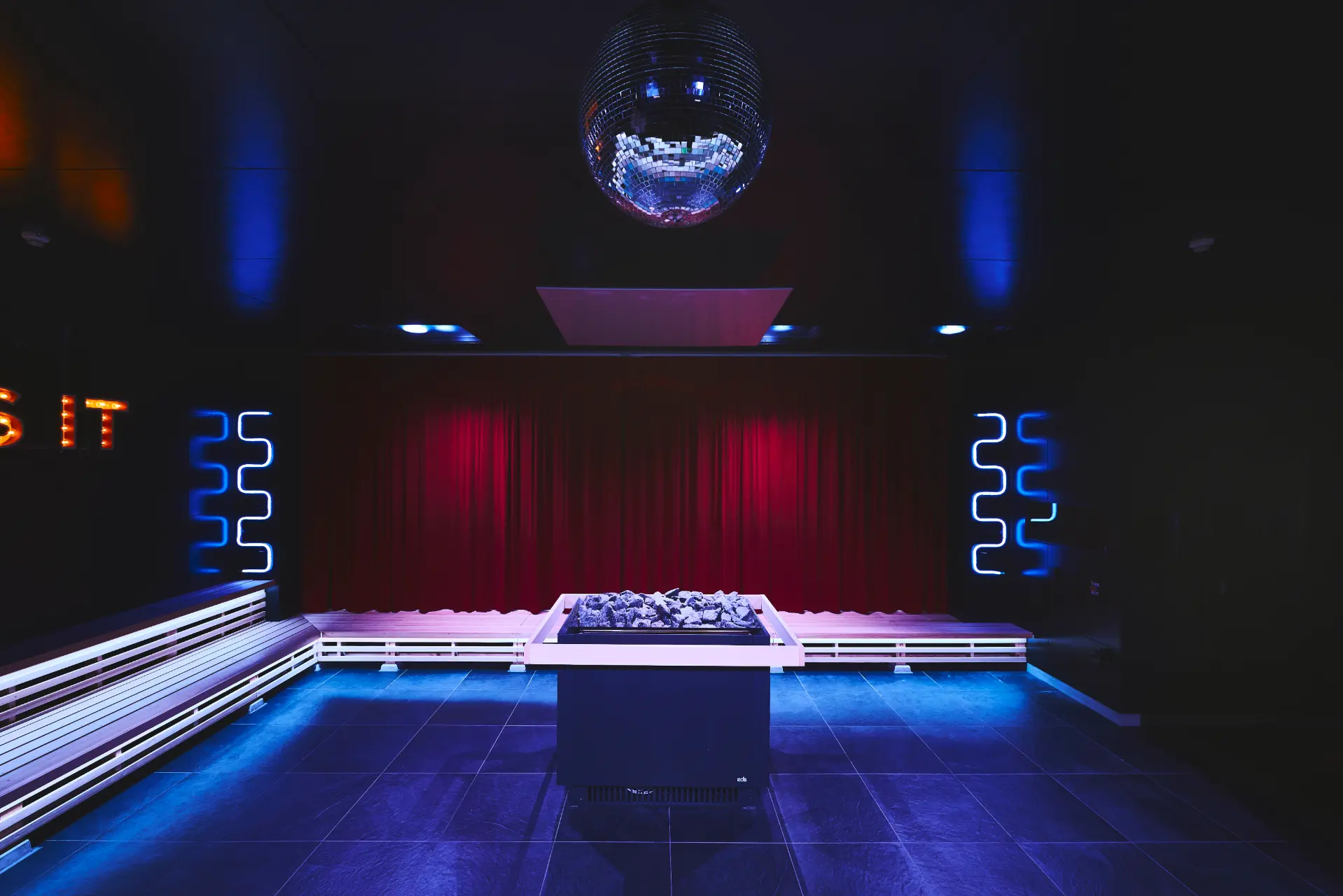
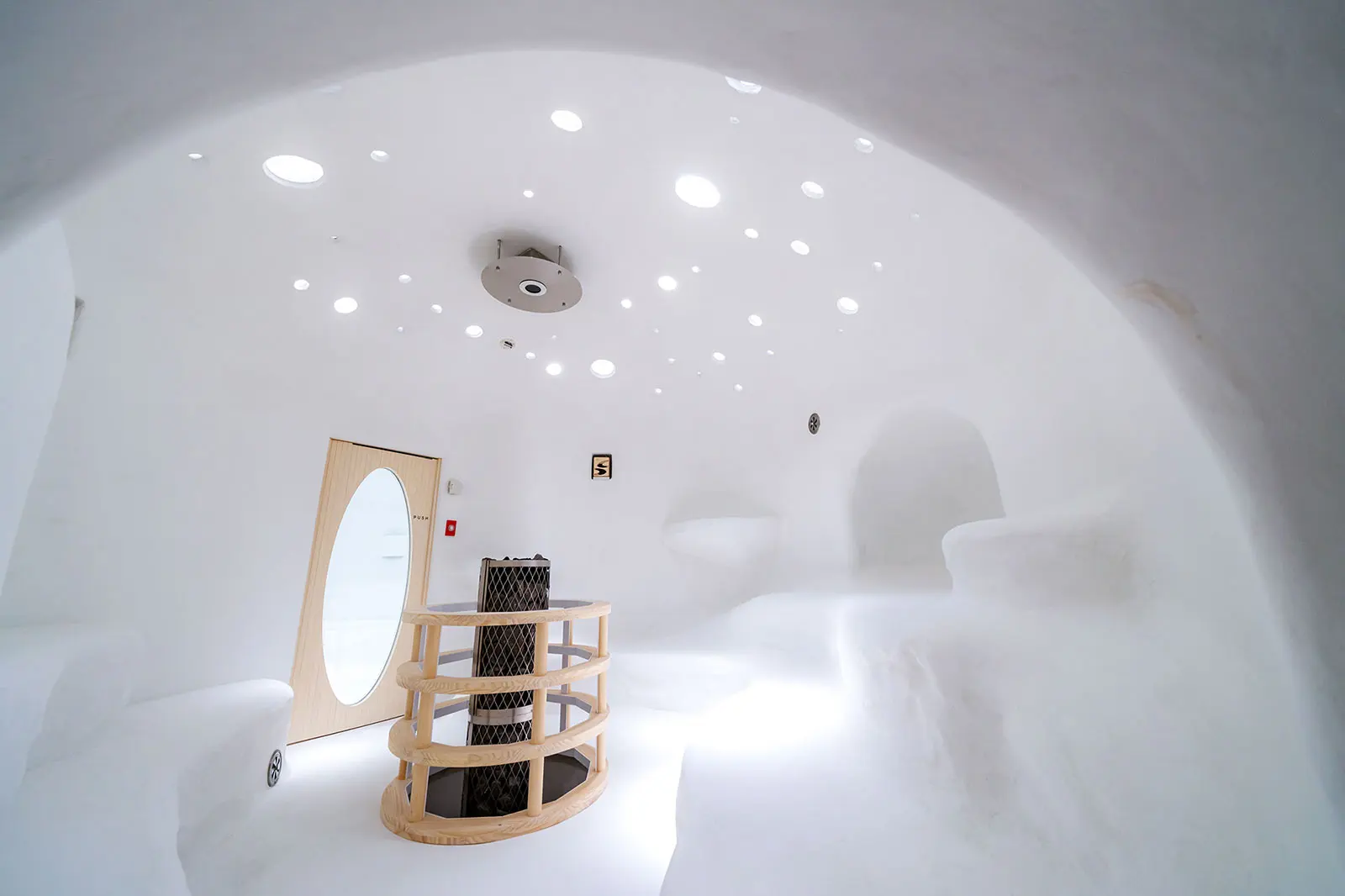
A modern sento is not simply a stylish bathhouse. It usually refers to a facility that preserves an old building or bathhouse structure while redesigning the interior, flow, signage, sauna facilities, and rest areas for today’s users. Some lean into retro aesthetics, while others adopt a minimalist contemporary design, so the visual style is not uniform.
What they share is that they remain sento. Rather than becoming a large leisure complex with many baths and restaurants, they preserve the scale and local character of the original sento while improving convenience and comfort. Traditional neighborhood sento have long focused on everyday use, but modern sento are also chosen as places worth making a special trip to, attracting not only locals but also younger visitors and tourists.
Why Have Modern Sento Increased?
The background is a structural shift in the bathhouse industry. As home bathtubs became widespread, sento quickly lost their role as a place for homes without baths. The Ministry of Health, Labour and Welfare defines general public baths as facilities that are necessary for local residents’ daily life in terms of public health and hygiene, but that everyday demand has steadily declined.
The number of facilities has also dropped sharply. According to the National Federation of Public Bathhouse Industry Associations, the number of sento peaked at about 18,000 in 1968 and has kept falling, dropping to below 2,000 in recent years. As more facilities became difficult to operate in their traditional form, a wider movement emerged to preserve each building’s character while adapting it for current users.
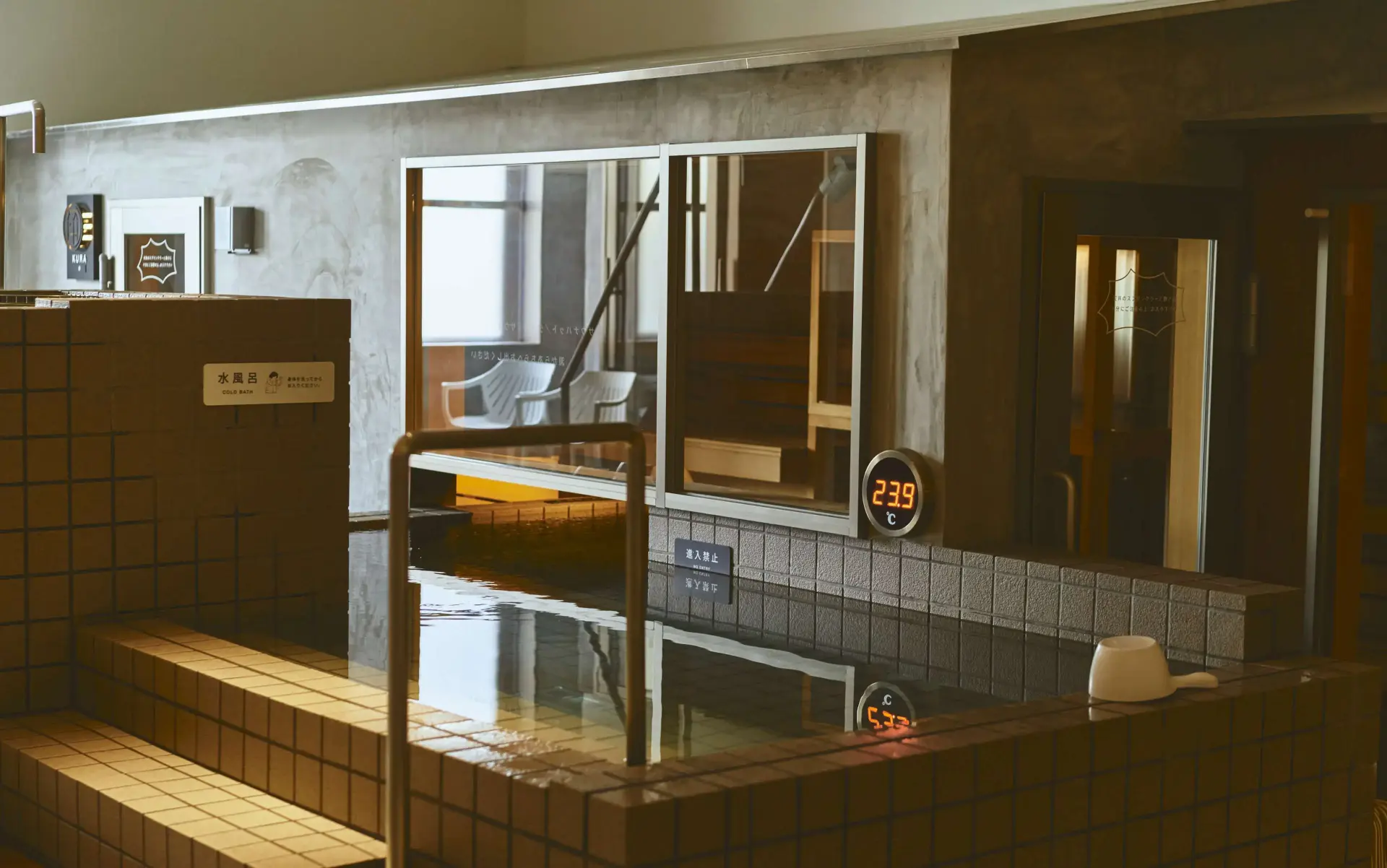
Another major tailwind has been sauna popularity. Sento that were once seen as ordinary neighborhood facilities have gained attention as destinations for sauna fans. Many have been revived by investing in sauna rooms, cold plunge baths, and rest spaces in order to capture this demand.
How They Differ from Traditional Sento and Super Sento
Modern sento differ in character from both traditional sento and super sento. Traditional sento function as everyday bathing spaces for local residents, with fees kept within the regulated range set under price control rules. Super sento are large-scale leisure facilities with many baths, dining areas, and rest lounges, and their prices are freely set.
Modern sento are not simply somewhere in between; they occupy a different position. They are smaller than super sento and make use of original sento architecture and local character, while also turning the bathing experience itself into something worth spending time on. Their prices may remain close to the regulated public-bath rate, or they may use separate sauna charges as a value-added model. The differences among the three can be summarized as follows.
| Perspective | Traditional sento | Modern sento | Super sento |
|---|---|---|---|
| Scale | Small, community-based | Small to medium | Large |
| Main purpose | Everyday bathing | Bathing plus stay and experience | Leisure and long stays |
| Sauna | None or basic | Often enhanced | Often extensive |
| Pricing model | Follows regulated rate | Near regulated rate or value-added model | Freely priced, usually higher |
| Main clientele | Local regulars | Locals, younger visitors, tourists | Broad range of visitors |
This table is only a general tendency, and each facility differs. Pricing in particular varies greatly by region and management policy. If you want a broader overview of bathhouse types, see Types of Japanese Bath Facilities, and for how to enjoy super sento, see How to Enjoy Super Sento.
Common Features of Modern Sento
The easiest way to identify a modern sento is by three points: spatial design, sauna, and signage. These are also areas where differences from traditional sento are especially visible.
In spatial design, lighting, wood, tiles, and signage are often refined to create a welcoming impression even for first-time visitors. Some renovations deliberately preserve old-fashioned structures or mural paintings, while others use concrete and indirect lighting for a more minimalist look. Rest areas in the changing room or lobby where people can relax after bathing are also a common feature.
Sauna upgrades stand out as well. Many facilities now carefully design sauna rooms, cold plunge baths, and open-air or rest areas so that they can satisfy sauna users even though they are sento. This trend is especially strong in urban areas. Many also organize pricing and bathing rules clearly, and offer cashless payment and multilingual information. That makes them easier for beginners and foreign travelers to use, and this is one of the biggest differences from traditional sento. Basic usage is summarized in How to Use a Neighborhood Sento.
The Benefits and Challenges of Modern Sento
The appeal of modern sento is that they are easier for first-time bathhouse users to enter. Even people who feel nervous because they do not know the rules of older facilities can feel more comfortable when the flow and signs are clear. Because they are not just a reproduction of the past but an update for modern users, they offer both everyday usability and a sense of experience. Sauna fans can also find facilities that strike a good balance between size and price.
There are also challenges. If modernization goes too far, some argue that the original role of the sento as a neighborhood public bath becomes weaker. In some facilities, the arrival of tourists and first-time visitors changes the relationship with regular customers. Also, if prices rise too much as a value-added model, they may no longer fit well with everyday local use. The most successful facilities are those that update the space and equipment while finding ways to preserve the feel of a sento. This tension reflects the current reality of the sento format itself rather than a simple right-or-wrong choice.
Who Are They Good For?
Modern sento are a good fit for people who want to experience bathhouse culture but find old-fashioned settings a little intimidating, people who want sauna as well as bathing, and travelers looking for a bath facility with local character. They also suit people who do not want the scale of a super sento but still want to enjoy the comfort of a sento-sized facility.
On the other hand, people who mainly want to enjoy traditional bathhouse architecture or the culture of the bathmaster counter may prefer a more retro sento with fewer renovations. If your main goal is hot spring bathing itself, it is best to choose with the institutional differences between sento and hot springs in mind. Those differences are explained in The Difference Between Hot Springs and Sento.
Frequently Asked Questions
What is the difference between a modern sento and a super sento?
The difference is scale and position. Super sento are large leisure facilities with many baths and dining areas, and their prices are freely set. Modern sento are smaller and usually refer to facilities that update the interior, equipment, and way of use for modern users while making use of the original sento building and local character. The key point is not how many facilities they have, but how they reinterpret the sento format in a contemporary way.
Are modern sento priced the same as regular sento?
It depends on the facility. Many operate as general public baths within the regulated bathing fee range set under price control rules. However, some charge extra for sauna use, or set higher prices as a value-added model. Since bathing fee ceilings are set by each prefecture, actual prices vary by region and management policy.
Are they easy for tourists and first-time bathhouse visitors to use?
Many are easy to use. More and more modern sento have clear pricing and bathing rules, cashless payment, and multilingual guidance. However, the manners themselves are the same as in a regular sento: wash your body before entering the tub, and do not put towels in the water.
Can you enjoy modern sento mainly for the sauna?
It depends on the facility. In modern sento with well-designed sauna rooms, cold plunge baths, and rest areas, many people can be very satisfied even if their main purpose is sauna. This tendency is especially strong in urban areas. On the other hand, some facilities have simple saunas or none at all, so it is best to check the equipment in advance.
Are modern sento and retro sento different?
They overlap, but their emphasis differs. Retro sento usually refers to bathhouses that retain Showa-era architecture and design, such as wooden temple-style roofs, Mount Fuji murals, and bathmaster counters. Modern sento may preserve those elements too, but their defining feature is that the interior, facilities, and way of use have been updated for contemporary users. Many modern sento are renovated old retro sento.
Summary
A modern sento is a bathhouse that builds on sento culture while updating the interior, facilities, and way of use for today’s users. Behind it are structural changes such as the spread of home bathtubs and the decline in the number of bathhouses, as well as the growing popularity of sauna. Compared with traditional sento, modern sento offer more time to stay, and compared with super sento, they are smaller and preserve more local character. Pricing is split between cases that stay close to the regulated rate and value-added models.
Their strength is that they are easy for beginners and travelers to enter, while their challenge is that they may weaken the role of neighborhood public baths or become too expensive. If you understand the differences from traditional sento and super sento, it becomes easier to find a bathing experience that suits you.
Sources
- Ministry of Health, Labour and Welfare: Overview of the Public Bathhouse Act
- Ministry of Health, Labour and Welfare: Hygiene Management Guidelines for Public Bathhouses (PDF)
- e-Gov Law Search: Ordinance on the Designation of Regulated Bathing Fees for Public Bathhouses
- Ministry of Health, Labour and Welfare: Public Bathhouse Industry (General Public Bathhouses) Conditions and Management Improvement Measures (PDF)
- National Federation of Public Bathhouse Industry Associations
Japan's Finest Onsen & Sauna, 64 places — a paid web magazine
A trip to Japan you may take once. Which onsen and sauna will make it the best experience?
The more you research, the longer the list gets, and the less you know which ones are truly good. One editor traveled all of Japan, bathing in onsen and sauna, and kept only the 64 that stayed with him — one full spread each, with what he felt there and why he would go back.
One of them opens free.