Thematic GuidesFamous Japanese Hot Springs
Nasu Hot Springs Guide: Shikanoyu Sulfur Baths & Highlands
Explore Nasu Onsen in Tochigi’s Nasu Town, from the origin of the Nasu Seven Springs at the foot of Mount Nasu to Shikanoyu’s 1300-year-old sulfur baths, Sessho-seki, and Nasu Plateau resorts.
Published: Jun 28, 2026
Thematic GuidesFamous Japanese Hot Springs
Nasu Hot Springs Guide: Shikanoyu Sulfur Baths & Highlands
Explore Nasu Onsen in Tochigi’s Nasu Town, from the origin of the Nasu Seven Springs at the foot of Mount Nasu to Shikanoyu’s 1300-year-old sulfur baths, Sessho-seki, and Nasu Plateau resorts.
Published: Jun 28, 2026
Nasu Onsen is a hot spring area in Nasu Town, Nasu District, Tochigi Prefecture, where several springs are scattered around the foot of Mount Nasu (Mount Chausu). It is a highland hot spring region shaped by volcanic activity. It has long been collectively called the "Nasu Seven Springs," though the number and names vary by era and source, so it is best understood as a hot spring area where multiple baths are spread across one region.
For travelers, the key point is that Nasu Onsen is not a single hot spring town, but a collection of hot springs and highland attractions spread across the volcanic foothills. Whether you want to soak in milky sulfur baths or explore ranches and museums in Nasu Kogen, the way you enjoy the area will differ even though they share the same "Nasu" name. This article organizes the history of Nasu Onsen, Shikanoyu’s sulfur spring and bathing method, Sessho-seki known for the legend of the nine-tailed fox, how to enjoy Nasu Kogen, and access information, based on official information from the Nasu Town Tourism Association and others. As the opening year, legends, fees, schedules, and the current condition of Sessho-seki vary by source, this article treats them cautiously and recommends checking the latest details ოფიციally.
A hot spring area at the foot of Mount Nasu
Nasu Onsen is a general term for the hot spring area spreading across the northern part of Nasu Town, at the foot of Mount Nasu. Mount Nasu is an active volcano with Mount Chausu as its main peak, and its volcanic activity has brought hot springs to the region. Centered on Yumoto, several hot springs are scattered across the area. They have long been called the "Nasu Seven Springs," but because the count and the springs included differ by period and source, it is best to think of this as a hot spring region where multiple baths are gathered together.
For that reason, in Nasu it is more realistic to choose an inn or public bath based on what you want to experience rather than trying to visit only one famous bath. Do you want to enjoy a milky sulfur spring, or would you rather tour the scenery, ranches, and museums of Nasu Kogen? Your stay will take a different shape depending on your priorities. For background on why volcanoes create hot springs, see The Relationship Between Volcanoes and Hot Springs. For an overview of spring types, see A Beginner’s Guide to Onsen Spring Types.
Shikanoyu: A sulfur spring said to be 1300+ years old
The symbol of Nasu Onsen is Shikanoyu, a public bath in Yumoto. It is said to have opened more than 1300 years ago, and the origin story tells of a wounded deer soaking in the water and healing. However, the date and legend vary by source, so it is better to treat them as tradition rather than established fact. With that long history, it is still loved today as a communal bath.
Shikanoyu has a cloudy sulfur-rich bath with a slightly acidic spring quality. Sulfur springs are known for their distinctive egg-like smell and milky appearance. The characteristics of this spring type are summarized in Sulfur Springs (Iousen), and the mechanism behind the white, cloudy water is explained in Milky White Hot Springs. The exact spring classification and pH should be checked in the official hot spring analysis posted at the facility.
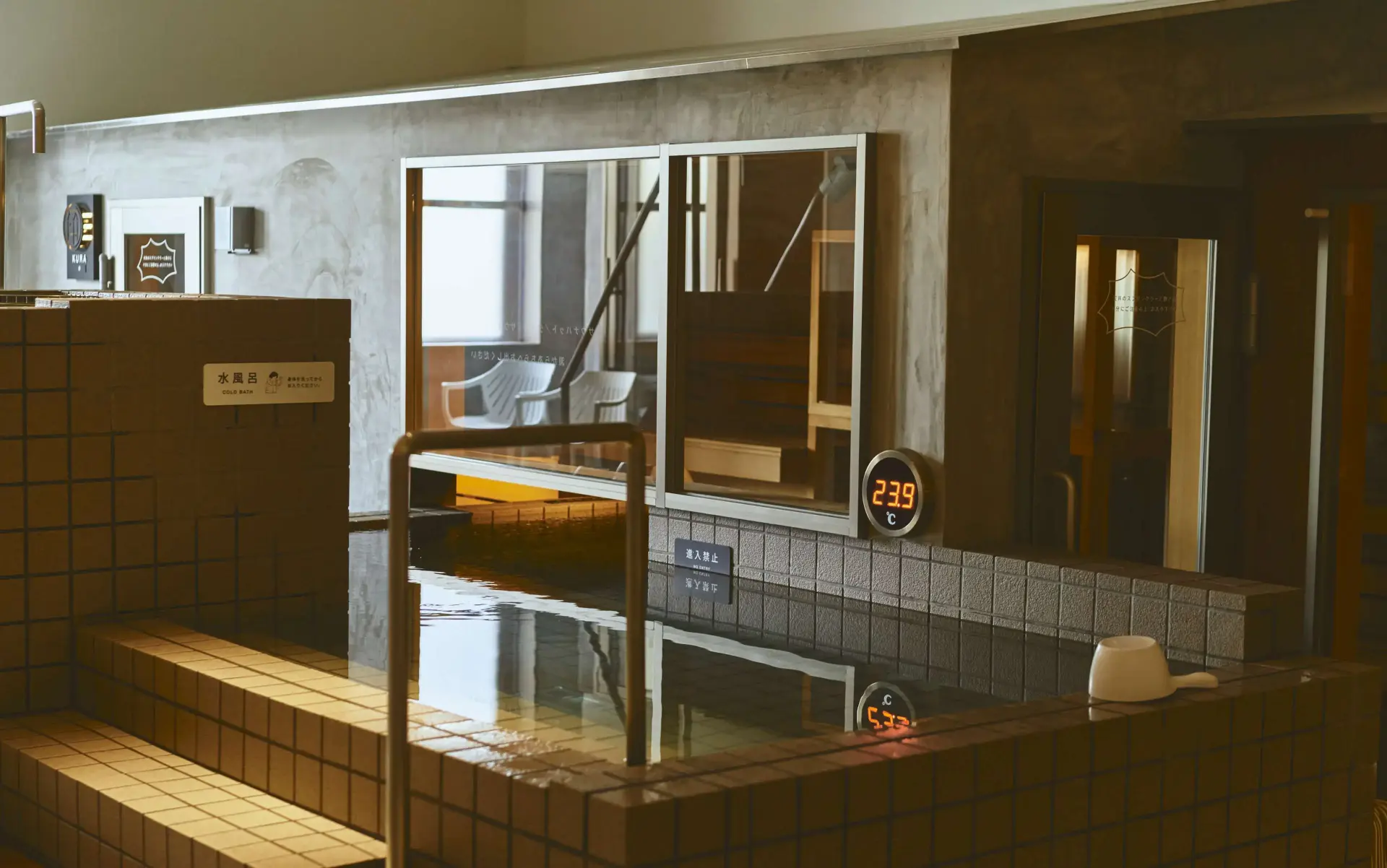
One of Shikanoyu’s best-known features is its unique bathing style, with tubs at different temperatures lined up side by side. Several baths are available, from around 41°C to around 48°C, and the custom is to soak for short periods each time. However, the temperatures and bathing steps are only guidelines, so please check the on-site notices and official information for the actual bath layout and precautions. In hotter water, do not overdo it; keep each soak short and take breaks with hydration in between. Fees and opening hours can also change, so it is wise to confirm them officially before visiting.
Sessho-seki: The nine-tailed fox legend and volcanic gas
Near Nasu Yumoto is a famous spot called Sessho-seki. It is known as the place linked to the legend of the nine-tailed fox, which disguised itself as the beauty Tamamo-no-Mae, entered the imperial court, was exposed, fled to Nasuno, and was killed, turning into a stone. This is a handed-down legend rather than historical fact, and the connection between hot spring areas, faith, and folklore is discussed in Hot Springs and Shinto/Buddhism.
The Sessho-seki area is also influenced by Mount Nasu’s volcanic activity, with steam rising and a sulfur smell in the air. Volcanic gases can include hydrogen sulfide, and in low-lying areas or on calm days, gas may accumulate and become dangerous, so you must always follow access restrictions and warning signs. If you have health concerns, do not push yourself; prioritize local guidance.
Sessho-seki also drew attention in 2022 when the stone split in two. The current viewing area and conditions may change, so we recommend checking the latest official information before you go.
Nasu Kogen: A highland resort known for the imperial villa
Nasu is widely known not only for its hot springs but also as a highland resort. It is also famous for the Nasu Imperial Villa, a retreat for the imperial family, and has a history as a summer resort. Nasu Kogen is dotted with ranches, animal interaction facilities, alpaca farms, museums, and theme attractions, making it easy for families to combine sightseeing with hot springs.
Because of its higher elevation, it is pleasant in summer as a cool retreat, and the scenery and highlights change with the seasons. If you divide your plan into time for relaxing in the hot springs and time for touring the highlands, the trip will feel less rushed. Hours and closing days vary by season, so it is best to check in advance.
The quick reference table below summarizes the main highlights around Nasu Onsen as a guide to their character. Travel time depends on how you tour the area, so please use it only as a reference.
| Highlight | Features | Approximate time needed |
|---|---|---|
| Shikanoyu | Communal sulfur bath. A bathing style of short soaks in temperature-separated tubs (guide) | About 30 minutes to 1 hour |
| Sessho-seki | Site of the nine-tailed fox legend. Steam and sulfur smell, with volcanic gas caution | About 30 minutes to 1 hour |
| Nasu Kogen (ranches, museums, etc.) | A highland resort known for the imperial villa. Ranches, animal facilities, and museums are scattered around | Half a day to 1 day |
Because the enjoyment of open-air baths and highland sightseeing differs by inn and facility, if you are looking for Nasu accommodations or day-use baths, we offer a Facility List and a Search Page so you can narrow your options by area and budget.
Access and how to plan your stay
Nasu Onsen cannot be reached by train alone; you will need a bus from the nearest station. Nasu-Shiobara Station on the Tohoku Shinkansen or Kuroiso Station on the Tohoku Main Line serves as the gateway, and from there a local bus to Nasu Yumoto is the easiest route to understand. Travel times, bus frequency, and the last bus vary by season, so be sure to check the latest timetable officially.
A day trip from Tokyo is possible, but if you want to enjoy both the hot springs and Nasu Kogen, staying one night makes the visit more relaxed. If you are driving, moving around the highlands is easier, but roads and parking lots can get crowded during holiday periods. Whether you use public transportation or a car, checking bus frequency, the last bus, and travel times between sights before arrival will make planning easier.
Nasu is often described as one of Japan’s classic hot spring destinations. For its place among other famous springs and comparisons with well-known hot spring resorts nationwide, see 10 Famous Hot Springs in Japan. For anyone comparing sulfur springs, Nasu is an easy recommendation.
FAQ
What kind of bath is Shikanoyu in Nasu Onsen?
Shikanoyu is a public bath in Nasu Yumoto, said to have a history of more than 1300 years since opening. It is a cloudy, slightly acidic sulfur bath, and its unique bathing style involves short soaks in tubs set at different temperatures. However, temperatures, procedures, fees, and opening hours are only guidelines and may change, so please check the latest official information.
Can Sessho-seki still be visited?
Sessho-seki is a famous spot near Nasu Yumoto known for the nine-tailed fox legend, but it attracted attention in 2022 when the stone split. The viewing area and current conditions after that may change, so we recommend checking the latest official information before visiting. The area is also a place where volcanic gas can occur, so be sure to follow access restrictions and warning signs.
Is volcanic gas dangerous?
Sessho-seki and the surrounding area are influenced by Mount Nasu’s volcanic activity, and steam may rise with volcanic gases such as hydrogen sulfide. In low-lying areas or on calm days, gas can accumulate and become dangerous, so follow access restrictions and warning signs, and do not force yourself if you have any health concerns. The basic rule is to prioritize local guidance.
Can you get to Nasu Onsen by train alone?
No. You will need a bus for the final part of the trip. Travel by train to Nasu-Shiobara Station on the Tohoku Shinkansen or Kuroiso Station on the Tohoku Main Line, then take a local bus toward Nasu Yumoto. Travel time, bus frequency, and the last bus vary by season, so check the latest timetable officially.
Can I enjoy both the hot springs and Nasu Kogen sightseeing?
Yes. It is easier to plan if you separate time for relaxing in hot springs such as Shikanoyu and time for touring Nasu Kogen, where ranches and museums are scattered around. A day trip is possible, but if you want to enjoy both calmly, staying one night is better. Facility hours vary by season, so it is reassuring to check in advance.
Summary
Nasu Onsen is a highland hot spring region in the foothills of Mount Nasu in Nasu Town, Tochigi Prefecture, where several baths are scattered around and have long been collectively called the Nasu Seven Springs. Its symbol is Shikanoyu’s sulfur spring, said to have opened more than 1300 years ago, and its distinctive bathing style involves short soaks in tubs set at different temperatures. It also has another face as Nasu Kogen, a resort area known for the legend of Sessho-seki and the imperial villa.
Rather than viewing it as a single hot spring town, it is closer to reality to understand it as a collection of hot springs and highland attractions spread across volcanic foothills. If you first decide whether you want to enjoy milky sulfur baths or tour the highland scenery and facilities, planning becomes much easier. Because the current status of Sessho-seki, Shikanoyu’s fees and bathing method, and bus timetables can change, please check the latest official information and enjoy the area while following volcanic gas warnings.
Sources
- Nasu Town Tourism Association
- Nasu Town (official website)
- Ministry of the Environment, "Guidelines for Hot Spring Analysis Methods" (Revised in 2014)
Hotels & Facilities in This Onsen Town

Japan's Finest Onsen & Sauna, 64 places — a paid web magazine
A trip to Japan you may take once. Which onsen and sauna will make it the best experience?
The more you research, the longer the list gets, and the less you know which ones are truly good. One editor traveled all of Japan, bathing in onsen and sauna, and kept only the 64 that stayed with him — one full spread each, with what he felt there and why he would go back.
One of them opens free.